



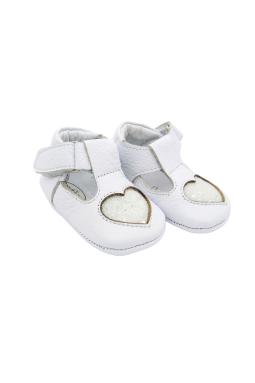
Baby Shoe Styles: Booties, Moccasins and First-Step Shoes
Quick summary: The Beybium baby shoe collection includes genuine calf leather booties, moccasins, first-step shoes, hook-and-loop and lace-up styles, and customizable options. A baby’s age or previous shoe size alone is not enough to choose the right pair. Consider current foot measurements, the stage of use, the fit, sole and closure of the specific style.
The baby shoe collection brings together different styles for babies who are not yet walking, those taking first steps and more active use. Booties, moccasins, first-step shoes and personalized styles have different designs and uses.
The right style is not automatically the largest or softest shoe. It is the one that fits the baby’s actual measurements and the intended use of the product. Before ordering, check the size, material, sole and closure information for the specific item.
What to Look for When Choosing Baby Shoes
- Current foot measurements: Use the baby’s current foot length rather than age alone.
- Measure both feet: If they differ in length, use the longer foot as your guide.
- Stage of use: Pre-walking, first steps and more active walking have different footwear needs.
- Fit and width: Shoes should not squeeze the foot or be so large that the foot moves around uncontrollably.
- Sole: Consider the sole in relation to the intended use of the style.
- Closure: Hook-and-loop, laces and moccasin designs affect ease of use and fit.
- Weight: Check the weight of the individual style, especially for first steps.
- Materials: Review the leather, lining, sole and stitching information on the product page.
Genuine Calf Leather in Beybium Baby Shoes
Genuine calf leather is the core material used in the Beybium baby shoe collection. The surface, thickness and finish may vary by style. Check the material information for the specific product before ordering.
The phrase “genuine leather” alone does not describe every feature of a shoe. Consider the leather together with the fit, lining, sole, stitching, closure and the baby’s actual measurements.
A Leather-Engineering Approach to Baby Shoes
Deriza founder Recep Aycan graduated in Leather Engineering from Ege University. This technical background informs an approach that considers a baby shoe’s leather surface and thickness, fit, sole and intended use together, rather than focusing on appearance alone.
Even a small shoe bends during use, its sole meets the ground and its closure moves with the foot. Choosing a style means considering material, fit, sole, closure, measurements and stage of use together.
Baby Shoe Styles
Genuine Leather First-Step Shoes
For styles intended for the transition to walking, consider size, weight, fit, sole and closure together. Explore the genuine leather first-step shoes collection for styles in this category.
Leather Baby Booties
Depending on their design, booties may offer a lighter and softer construction. Consider whether the baby is walking and how the specific product is intended to be used.
Baby Moccasins
Moccasins may be considered for everyday wear, special occasions or photos, depending on the style. Sole and use details can vary. Browse the leather baby booties and moccasins collection.
Hook-and-Loop and Lace-Up Baby Shoes
Hook-and-loop closures can make shoes easier to put on and take off. Lace-up styles offer a classic look and allow the laces to be adjusted. Neither closure should squeeze the baby’s foot or leave the shoe too loose.
Personalized Baby Shoes
Eligible styles can be customized with the baby’s name. Browse the personalized baby shoes collection for these options.
Choosing Shoes for Different Stages
Before the Baby Is Walking
At this stage, consider the weight, fit and intended use of the style. Depending on the product, booties or moccasins may be options.
First Steps
Check the sole, weight, fit and closure together for a first-step style. A product is not automatically suitable for first steps just because its title includes “baby shoes.”
More Active Use
As the baby becomes more active, assess whether the sole and closure of the specific shoe are suitable for the intended use.
Special Occasions and Gifts
Moccasins or personalized styles may be chosen for a special occasion or as a gift. If the baby will wear the shoes, do not overlook the correct size.
How to Choose the Right Baby Shoe Size
- Measure both of the baby’s feet. If possible, measure while the foot is bearing weight.
- Measure from the back of the heel to the tip of the longest toe.
- If the feet differ in length, use the longer measurement.
- Compare it with the size chart or insole information for the product.
- When trying the shoes on, check how the foot sits inside them.
Age is only an approximate reference. Since fit and sizing can vary between styles, compare the foot measurement with the product’s own sizing information.
Should You Buy Baby Shoes One Size Larger?
Not automatically. Shoes that are too large can allow the foot to move excessively and affect the fit. Use the product’s sizing system to judge how much room is appropriate.
If the shoe is noticeably difficult to put on, the closure is strained or the foot appears compressed, reassess the size and fit. “Leather will stretch” is not a good reason to use a shoe that is clearly too small.
Are First-Step Shoes the Same as Baby Shoes?
“Baby shoes” is a broad category covering products for different stages and purposes. First-step shoes are a separate group intended for the transition to walking.
Booties, moccasins, everyday shoes and first-step styles may not have the same features. Check the intended use and product details for the specific style.
Hook-and-Loop or Lace-Up Baby Shoes?
There is no single right option. Hook-and-loop closures can make shoes quicker to put on and take off. Lace-up styles offer a classic appearance and allow the fit to be adjusted. Choose according to the baby’s stage, the fit of the style and the caregiver’s routine.
When Can Baby Moccasins Be Worn?
Depending on the style, moccasins may be considered for everyday use, special occasions or photos. Do not assume that every moccasin has the same sole, fit or intended use. Check the product details.
Are Anatomical Baby Shoes Orthopedic?
No. “Anatomical” and “orthopedic” do not mean the same thing. A particular design feature does not by itself establish a medical benefit. Avoid unsupported claims such as “supports foot development” or “protects foot health.” If the baby has a specific need, consult a healthcare professional.
How to Clean Genuine Leather Baby Shoes
- Follow the material and care instructions on the product page.
- Do not machine-wash genuine leather shoes or submerge them in water.
- Gently remove light surface dirt with a soft, slightly damp cloth.
- Do not apply cologne, alcohol or strong cleaners directly to the leather.
- If the shoes get wet, let them dry naturally at room temperature, away from direct heat and intense sunlight.
- Test any care product on a small, hidden area first.
How to Store Baby Shoes
- Store the shoes clean and completely dry.
- Keep them away from direct sunlight and excessive moisture.
- Do not place heavy items on them in a way that could deform their shape.
- Avoid leaving them in damp, airtight packaging for long periods.
What Affects Baby Shoe Prices?
Prices may vary according to the type and amount of leather, style and fit, sole and inner construction, closure, number of leather components, manufacturing workmanship and any personalization. When comparing styles, check the measurements and intended use as well as the “genuine leather” label.
Baby Shoe Buying Checklist
- Measure both feet and use the longer foot as your guide.
- Do not choose a size based only on age.
- Identify the stage of use and intended purpose.
- Check the sole, fit, weight and closure for the specific product.
- Make sure the shoe does not squeeze the foot or allow excessive movement.
- Avoid choosing a much larger size “to grow into” or a small one because “leather will stretch.”
- Confirm first-step suitability on the product page.
- For medical needs, follow guidance from a healthcare professional.
Related Baby Shoe Collections
For material-focused styles, browse leather baby shoes.
Styles for the transition to walking are in the genuine leather first-step shoes collection.
For booties and moccasins, explore leather baby booties and moccasins. For personalized options, visit personalized baby shoes.
Browse all children’s and baby products in the children and baby category.
Frequently Asked Questions About Baby Shoes
What leather is used in Beybium baby shoes?
Genuine calf leather is the core material in the Beybium baby shoe collection. Check the product page for the material details of each style.
How do I choose the right baby shoe size?
Measure both feet, use the longer foot as your guide and compare it with the size chart for the product.
Can I choose a baby shoe size by age?
Age can provide a rough reference. The baby’s current foot length is a more reliable starting point.
Should baby shoes be bought one size larger?
Not automatically. A shoe that is too large can allow the foot to move excessively inside it.
Are first-step shoes the same as standard baby shoes?
No. First-step shoes are intended for a specific stage. Other baby shoes may have different purposes.
Are hook-and-loop or lace-up shoes more practical?
Hook-and-loop styles can be quicker to put on. Lace-up styles allow the fit to be adjusted. The better option depends on the baby and the product.
When can baby moccasins be worn?
Depending on the style, they may be suitable for everyday use, special occasions or photos. Check the sole and intended use for the product.
Can I personalize baby shoes with a name?
Eligible styles offer personalization. Visit the personalized baby shoe collection to see available options.
Are anatomical baby shoes orthopedic?
No. These terms do not mean the same thing. Ask a healthcare professional about medical needs.
Can genuine leather baby shoes be machine-washed?
No. Do not machine-wash or submerge them. Follow the care instructions for the product.
Why do baby shoe prices vary?
Material, fit, sole and inner construction, closure, workmanship and personalization can all affect the price.