

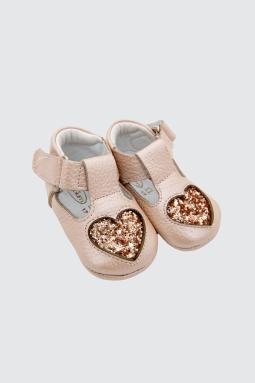
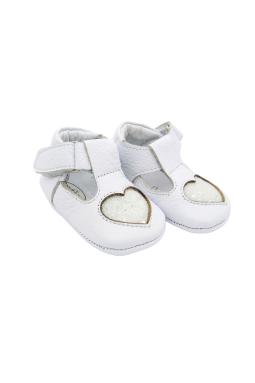


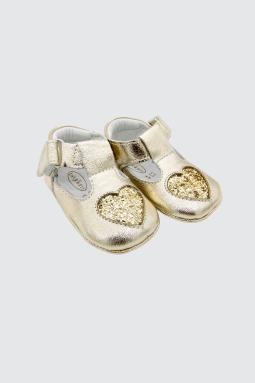


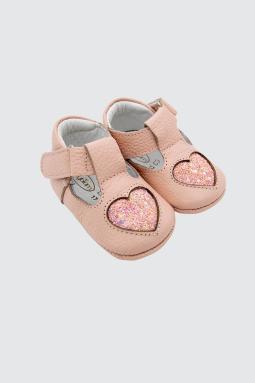
Genuine Leather Baby Shoes | Beybium
At a glance: The Beybium genuine leather baby shoe collection includes everyday styles, first-step shoes, booties and moccasins. Beybium baby shoes are made with genuine cowhide leather. When choosing a pair, compare your baby’s current foot measurements with the product’s inner measurements, fit, sole and fastening.
Choosing genuine leather baby shoes by age or shoe size alone is not enough. Babies of the same age can have different foot lengths and widths. Measure your baby’s feet, check the product’s size information and consider how the shoe is designed to be used.
What to Look for When Choosing Genuine Leather Baby Shoes
The aim is to find a pair that fits your baby’s feet now. Choosing a much larger size so the shoes last longer, or a smaller size because leather may soften, is not a reliable approach. Consider these points together:
- Foot length: Measure in centimetres from the heel to the longest toe.
- Foot width: The fit should not squeeze the ball of the foot. Check the product’s inner width where available.
- Toe room: Toes should not be compressed or curled at the front.
- Heel fit: The heel should stay in place and the shoe should not keep slipping off.
- Sole and weight: Review the sole construction and shoe weight for the particular model.
- Fastening: Check whether the strap, laces or elastic help keep the shoe in place without unnecessary pressure.
Leather Used in Beybium Baby Shoes
Beybium baby shoes are made with genuine cowhide leather. Cowhide can be finished in different ways for different designs. However, the words “genuine leather” do not describe every feature of a shoe. The fit, lining, sole, stitching, fastening and actual measurements should also be checked for each product.
A specific leather baby-bootie sample tested independently on behalf of Deriza passed analyses for azo dyes, phthalates and Chromium VI. The report applies only to the sample that was tested. It does not mean that every model, colour or production batch has undergone the same tests.
Genuine Leather Baby Shoe Styles
Everyday Baby Shoes
Compare everyday styles in different colours and designs by looking at the fit, sole and your baby’s measurements. Product-specific size and use information offers a more useful basis for comparison than appearance alone.
First-Step Shoes
Choose first-step styles by considering your baby’s current measurements and the actual construction of the product. Browse the genuine leather first-step shoes collection. The term “first-step” does not by itself mean that a particular shoe suits every baby; check its size, fit, sole and fastening.
Leather Baby Booties and Moccasins
Booties and moccasins offer options with simpler or softer-looking designs. “Moccasin” describes a style, while the intended use depends on the product’s own measurements and construction. See the leather baby booties and moccasins collection.
Personalised Baby Shoes
A style personalised with a baby’s name can be a thoughtful option for a birth, first birthday or baby shower. Personalisation methods and placement vary by product, so check the item details before ordering. Explore the named baby shoes collection.
How to Measure a Baby’s Feet
- Measure both feet: If your baby can stand, measure in a natural standing position. If not, measure gently without forcing the foot.
- Find the heel and longest toe: Record the distance between the back of the heel and the tip of the longest toe in centimetres.
- Use the longer measurement: If the feet differ, compare sizes using the longer foot.
- Compare with the product: The size label alone may not be enough. Check the product’s own size chart and inner length.
- Measure again when needed: A baby’s feet can change as they grow. Repeat the measurement if the shoes seem too small.
For more detail, see the guide to measuring baby feet and choosing the right shoe size.
Should Baby Shoes Be Bought Larger?
Shoes that are much too large can allow the foot to move excessively, or cause the shoe to slip off or drag during walking. Choosing a small size because “leather will stretch” is not a good solution either. Leather may soften or give slightly with use, but a shoe that pinches from the start should not be expected to become the right size later.
Compressed toes, noticeable pressure across the top of the foot, a heel that will not stay in place or a fastening that is difficult to close may indicate that the fit should be checked again.
Before Walking, First Steps and Everyday Use
Babies Who Are Not Yet Walking
Consider the shoe’s weight, fit and intended use. Booties or moccasins can be compared according to the features of each product.
Standing and Taking First Steps
As a baby begins standing and walking, look more closely at the size, fit, sole, fastening and how the shoe stays on the foot. Compare first-step styles by their actual product details, not just by their name.
More Active Everyday Use
As daily use increases, check not only the size and fit but also the sole, weight, fastening and whether seams inside the shoe create uncomfortable pressure.
Age is only a general reference. Use your baby’s current foot measurements and the product’s size chart when choosing.
Strap, Lace or Elastic Baby Shoes?
- Strap-fastened styles: Quick to put on and take off, with some adjustment across the top of the foot.
- Lace-up styles: Allow more detailed adjustment across the upper; make sure the laces are tied securely.
- Elastic or moccasin styles: May be easy to put on and remove. Check that the shoe is not too tight and does not keep slipping off.
There is no single fastening that is best for every baby or every shoe. Consider foot width, the fit of the model and how it will be used.
How to Care for Genuine Leather Baby Shoes
- Gently wipe light dirt with a soft, slightly damp cloth suitable for leather.
- Do not wash genuine leather shoes in a washing machine.
- Avoid soaking, detergent, cologne and strong chemicals.
- Test any leather-care product on a small, hidden area first.
- If the shoes get wet, gently remove excess moisture and let them dry naturally at room temperature.
- Do not speed up drying with a radiator, stove, hair dryer or strong direct sunlight.
What Affects the Price of Leather Baby Shoes?
Prices can vary with the type and amount of leather, the shoe’s pattern and construction, sole, number of components and stitches, fastening and any personalisation. Booties, moccasins and first-step shoes may have different constructions. When comparing prices, consider the measurements, material details, workmanship and intended use as well as the “genuine leather” description.
Checklist for Buying Baby Shoes
- Measure both feet and use the longer measurement.
- Check the product’s size chart instead of choosing by age alone.
- Avoid a size that is much too large or too small.
- Check the fit around the toes, ball of the foot and heel.
- Review the sole and weight for the specific model.
- Make sure the fastening does not create unnecessary pressure and the shoe stays in place.
- Check the inside for hard protrusions or seams that may cause discomfort.
- Read the product’s personalisation terms if you want a name added.
The Beybium Leather Baby Shoe Collection
The Beybium collection includes baby shoes made with genuine cowhide leather in a range of colours and designs. Compare everyday shoes, booties, moccasins, first-step styles and products available for personalisation according to your baby’s measurements, stage of use and the product details. Browse other children’s and baby products in the children and baby category.
You can also explore other leather footwear in the leather shoes category.
Frequently Asked Questions About Leather Baby Shoes
What leather is used in Beybium baby shoes?
Beybium baby shoes are made with genuine cowhide leather. Check each product description for its other features.
Should baby shoes be chosen by age?
Age is a general reference. Measure your baby’s current feet and compare them with the product’s size chart.
How do I measure a baby’s feet?
Measure both feet in centimetres from the heel to the longest toe. Use the longer foot when comparing sizes.
Should baby shoes be bought larger?
A shoe that is much too large can allow the foot to move excessively. Compare the product measurements with your baby’s current foot measurements.
Will genuine leather baby shoes stretch?
Leather may soften or give slightly with use. Do not choose a size that pinches your baby’s feet at the start.
Are first-step shoes different from other baby shoes?
“First-step” refers to a stage of use. Check the size, fit, sole and fastening of each product individually.
Should I choose strap-fastened or lace-up baby shoes?
It depends on your baby’s foot and the shoe’s fit. Straps can be convenient to adjust, while laces allow more detailed adjustment across the upper.
Does the laboratory result apply to all Beybium products?
No. The passing result applies to a specific leather baby-bootie sample tested on behalf of Deriza. It does not show that every model or production batch was tested.
Can genuine leather baby shoes be machine-washed?
No. Do not machine-wash them. Clean the leather gently and let the shoes dry at room temperature.