

.jpg&w=828&q=75)
Differences Between Leather Wallet Types: Which One Is Right for You?
Quick answer: Leather wallet types differ not only in design but also in card capacity, banknote compartments, coin pockets, closure systems, dimensions, thickness and carrying style. Classic wallets offer a traditional layout; cardholder and mini wallets suit people who carry fewer items; zippered and coin wallets provide additional storage options; and mechanism wallets offer a different way to access cards.
When choosing a leather wallet, focusing only on colour and appearance is not enough. The number of cards you carry, whether you use cash or coins, and whether you keep your wallet in a pocket or bag can directly influence which type is more practical for you.
For this reason, before comparing different leather wallet designs, it is useful to identify your everyday carrying habits.
What Are the Main Types of Leather Wallets?
Although wallets do not fall into one fixed classification, they can generally be grouped according to their everyday functions:
- Classic bifold wallet
- Cardholder wallet
- Mini wallet
- Zippered wallet
- Coin wallet
- Mechanism wallet
- Phone-compartment wallet
Some designs combine more than one of these features. For example, a wallet may include both a card mechanism and a banknote compartment, or combine a zip closure with a phone compartment.
| Wallet Type | Main Feature | Who Might Prefer It? | What to Check |
|---|---|---|---|
| Classic bifold | Combined card and banknote storage | Those who prefer a traditional wallet layout | Card capacity, banknote compartment and closed dimensions |
| Cardholder | Card-focused layout | Those who carry more cards and less cash | Number of card slots and overall thickness |
| Mini wallet | More compact construction | Those who carry fewer items | Actual dimensions and capacity |
| Zippered wallet | Zipper closure or zippered compartment | Those who prefer more enclosed storage | Zipper position and internal layout |
| Coin wallet | Dedicated coin compartment | Those who regularly carry coins | Coin compartment and thickness when filled |
| Mechanism wallet | Cards are released using a mechanism | Those who want a different and quick card-access system | Mechanism capacity and additional compartments |
| Phone-compartment wallet | Separate compartment for a phone | Those who want to carry a phone and wallet together | Actual phone dimensions, case and internal compartment dimensions |
What Is a Classic Bifold Leather Wallet?
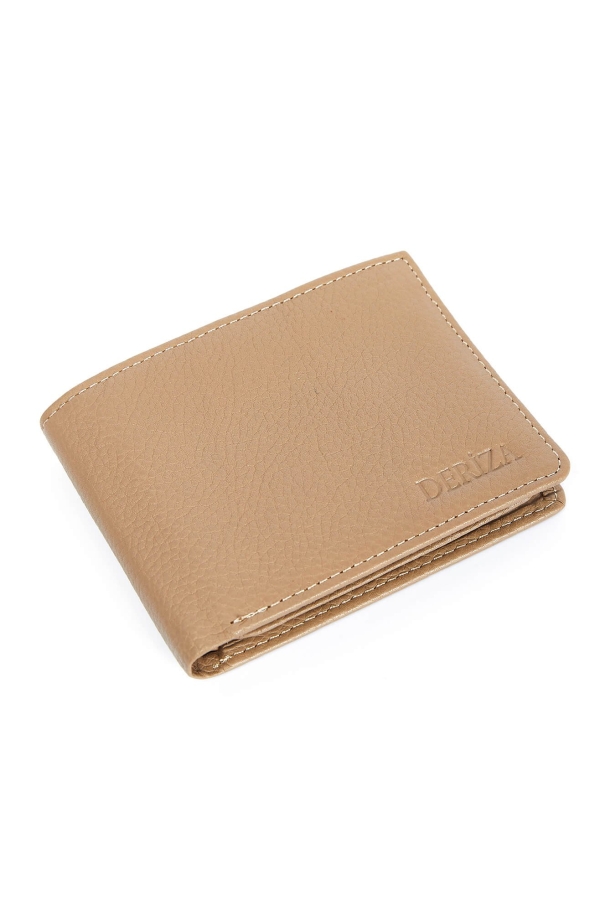
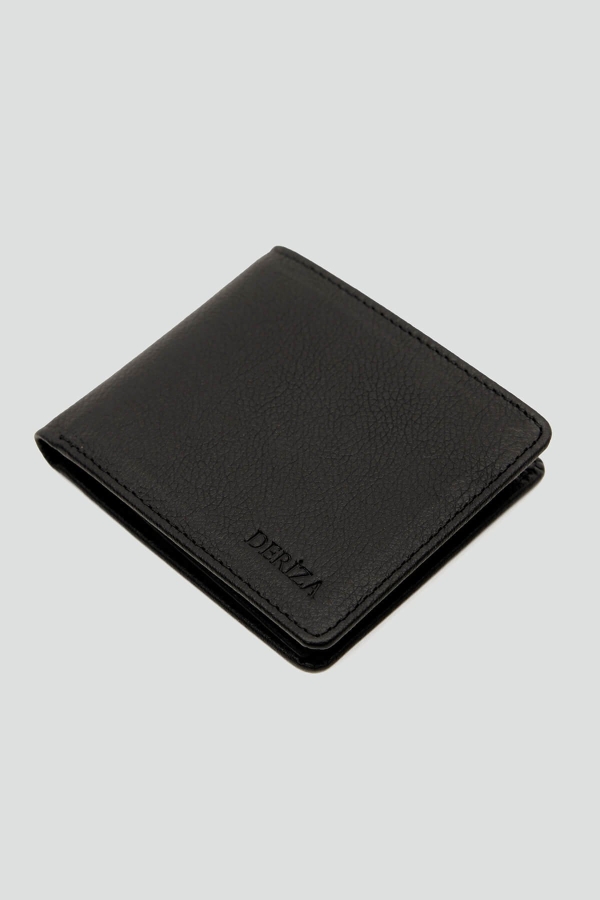
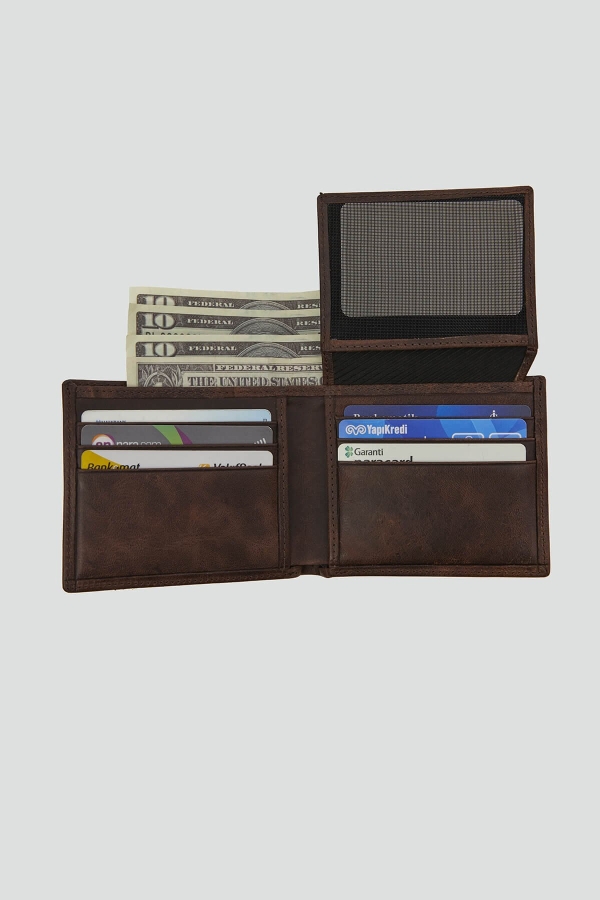
Classic bifold wallets combine card slots and banknote compartments within a traditional folding construction.
The number of card slots alone is not enough to evaluate these wallets. Closed dimensions, the banknote compartment, any transparent sections and the thickness of the wallet when filled can all affect everyday use.
If the wallet will regularly be carried in a trouser pocket, its filled volume is particularly worth considering.
Who Is a Cardholder Wallet Suitable For?
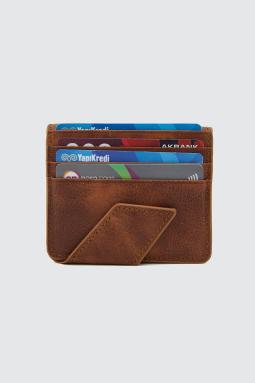
Cardholder wallets are designed primarily around card storage.
They can provide a more compact alternative for people who use less cash and mainly carry essential bank, identification or transport cards.
However, the term “cardholder” does not mean every model has the same capacity. The number and configuration of card slots should be checked for each specific product.
What Is the Difference Between a Mini Wallet and a Standard Wallet?
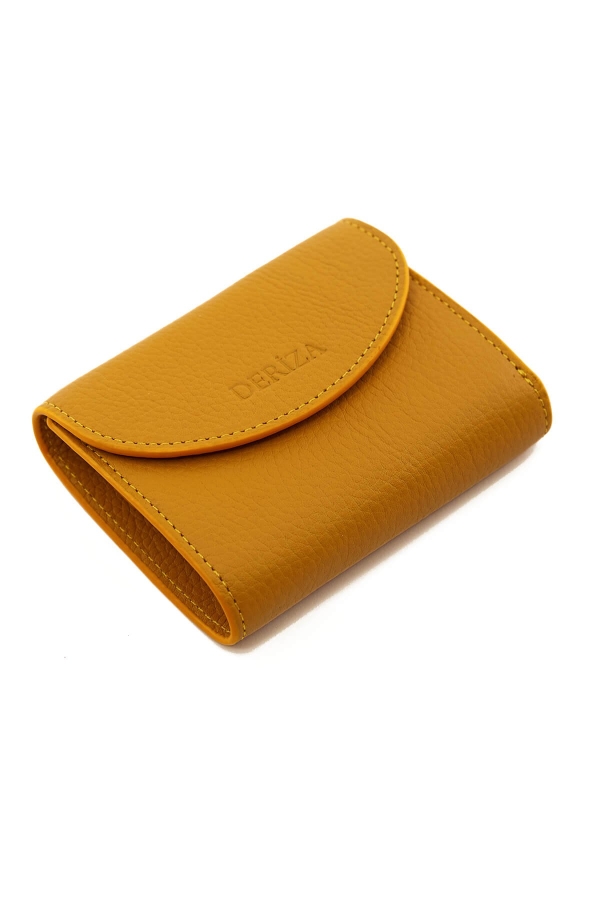
The main purpose of a mini wallet is to provide a more compact carrying format.
Smaller external dimensions can be convenient, but reducing the size may also affect card, banknote or coin capacity.
For this reason, consider the actual dimensions and compartment layout rather than relying only on the term “mini”.
What Are the Advantages of a Zippered Leather Wallet?
A zipper can be used to close the entire wallet or a specific internal compartment.
This construction can be useful for people who want to keep coins, small documents or other items in a separate enclosed section.
Not every zippered wallet has the same internal layout. The position of the zipper, how it opens and the space it occupies can vary between models.
Who Might Prefer a Coin Wallet?
For people who regularly use coins, a dedicated coin compartment can be an important everyday feature.
However, the compartment and the coins stored inside can increase the overall thickness of the wallet.
For wallets carried in a pocket, coin capacity and total filled volume should therefore be considered together.
What Is a Mechanism Wallet?
A mechanism wallet is a type of wallet in which cards are released from a metal or similar chamber with the help of a mechanical system.
Some mechanisms raise the cards in staggered positions, making individual cards easier to see and select.
However, card capacity, banknote storage, additional card slots and other functions vary between models.
RFID protection is not an automatic feature of mechanism wallets. It should only be considered present when it is explicitly stated in the specifications of the particular model.
What Should You Check When Choosing a Phone-Compartment Wallet?
Screen size alone is not sufficient when determining whether a phone will fit inside a wallet compartment.
Phones with the same screen size can have different overall widths, heights and thicknesses. A protective case also changes the phone's total dimensions.
The phone's actual external dimensions, including its case, should therefore be compared with the internal dimensions of the wallet's phone compartment.
How Does the Number of Cards Affect Wallet Choice?
Counting the cards you actually use on a daily basis is a practical starting point before choosing a wallet.
A very small wallet may not be suitable for someone carrying many cards. Conversely, someone who uses only a few cards may not need a large wallet with numerous compartments.
Capacity should always be evaluated for the specific product. Placing several cards into a slot designed for fewer cards can also place unnecessary stress on the leather and stitching.
What Determines the Thickness of a Leather Wallet?
The overall thickness of a wallet does not depend only on the thickness of the leather.
It can also be influenced by:
- the number of leather layers,
- lining and intermediate materials,
- card-slot construction,
- zippers and mechanisms,
- coin compartments,
- the number of cards and amount of cash carried inside.
Leather Engineer's Note: Are All Genuine Leather Wallets the Same?
No. Genuine leather describes the material as real leather, but it is not by itself a detailed quality grade.
Animal species, fibre structure, leather thickness, tanning, fatliquoring, finishing and wallet construction can influence the texture, stiffness, surface appearance and wearing characteristics of the finished product.
For this reason, it cannot be assumed that all genuine leather wallets will have the same softness, gloss or service life.
How Should a Leather Wallet Be Cared For?
There is no single care method that is appropriate for every leather wallet. The correct approach can vary depending on the type of leather and its surface finish.
Applying random soaps, oils, waxes, creams or chemical cleaners may alter the appearance of the leather surface.
Product-specific care instructions should therefore be followed. If a new cleaning or care product is used, testing it first on a small, inconspicuous area is a safer approach.
Avoiding unnecessary overfilling and prolonged exposure to excessive moisture or high heat can also help preserve the wallet's form.
Which Leather Wallet Type Is Right for You?
You can narrow down the options by considering your everyday carrying habits before focusing on a particular model:
Frequently Asked Questions About Leather Wallet Types
What is the most practical leather wallet type?
There is no single most practical wallet for everyone. Card count, cash and coin use, carrying method and preferred dimensions determine which type is more suitable.
Is a cardholder or wallet more practical?
A cardholder may be suitable for someone who carries fewer items and mainly uses cards. If banknotes, more cards or additional compartments are required, a traditional wallet may be more practical.
Is a mini wallet practical?
It can be a compact option for people carrying a small number of cards and essential items. Actual capacity and dimensions should still be checked for the specific model.
How many cards does a mechanism wallet hold?
There is no universal capacity. The capacity of the mechanism chamber and any additional card compartments varies by product. The specifications of the individual model should be checked.
Do mechanism wallets have RFID protection?
Not every mechanism wallet includes RFID protection. This feature should only be assumed when it is explicitly listed in the technical specifications of the model.
How many years does a genuine leather wallet last?
There is no fixed lifespan that applies to every product. Leather, construction, workmanship, intensity of use, the amount carried, care and storage conditions can all influence service life.
Conclusion: Choose Your Wallet According to Your Carrying Habits
Classic, cardholder, mini, zippered, coin, mechanism and phone-compartment wallets are designed around different everyday needs.
Card count → cash use → need for coins → carrying method → dimensions → closure or mechanism → wallet type is a practical sequence for narrowing down the available options.
Explore Leather Wallet Types
Compare men's, women's and mechanism leather wallet options according to your everyday carrying habits, preferred dimensions and required compartments.




.jpg&w=256&q=75)