
How to Become a Leather Products Dealer? B2B Guide
Quick Answer: How Do You Become a Leather Products Dealer?
To become a leather products dealer, you first need to determine which sales model best fits your business. Businesses with a physical store or an established sales channel may consider a dealer model; businesses looking to purchase larger quantities may consider wholesale; and entrepreneurs who want to sell through e-commerce or marketplaces without investing heavily in stock may consider dropshipping.
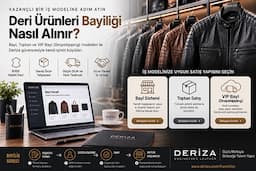
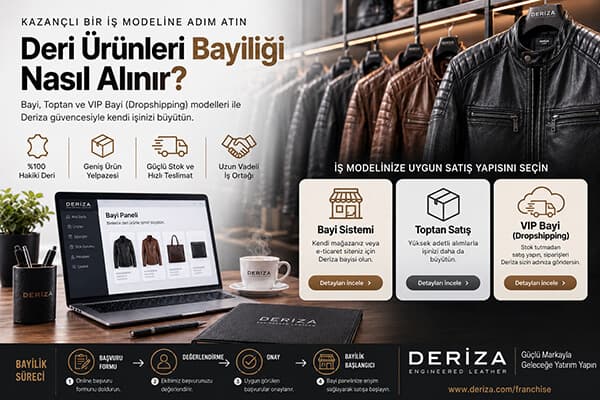
Deriza offers B2B options for different business structures, including Dealer, Wholesale and VIP Dealer (Dropshipping). To review the current terms and apply, visit the Deriza B2B & Dealer System page.
Leather products dealership is not simply about finding products at an attractive purchase price. Product quality, sellable product variety, supply continuity, stock requirements, order operations, sales channels, shipping and after-sales processes all affect the sustainability of the business model.
For this reason, the first question should not be “Where can I get the highest dealer discount?” but rather: “Which commercial model matches my capital, sales channels and operational structure?”
In this guide, we explain how leather products dealership works, the differences between Dealer, Wholesale and VIP Dealer (Dropshipping), the product groups that may be considered, supplier evaluation criteria and the Deriza B2B application process.
What Is a Leather Products Dealership?
A leather products dealership is a B2B business model that allows a company to offer a brand's or supplier's products to its own customers under defined commercial conditions.
Today, dealership does not necessarily mean holding stock and selling only through a physical store.
Depending on the business model, sales may take place through:
- physical stores,
- an independent e-commerce website,
- online marketplaces,
- an existing retail sales network,
- dropshipping where the system supports it.
A dealer applicant should therefore first determine where sales will take place, which product groups will be prioritised and whether the products will be held in their own stock.
Are Dealership, Wholesale and Dropshipping the Same?
No. Although these models are related, they differ in terms of capital requirements, stock management and operations.
| Model | Basic Structure | Who May Consider It? |
|---|---|---|
| Dealer | Regular product sourcing with commercial pricing linked to the dealer account | Businesses selling regularly through stores, e-commerce or marketplaces |
| Wholesale | Higher-volume purchasing with product-group-based quotation structures | Businesses that want to build and manage their own inventory |
| VIP Dealer / Dropshipping | A model designed to allow sales without pre-stocking eligible orders | E-commerce and marketplace sellers looking to reduce inventory investment |
Why Is Product Variety Important in Leather Products Dealership?
Relying on only one product group can limit both the customer base and the number of purchase occasions a business can address.
Leather apparel may appeal to seasonal, style-oriented and higher-value purchase decisions, while wallets, cardholders, belts and bags can create different opportunities for everyday-use and gift purchases.
Personalised products can add another layer of demand through gifting and made-to-order purchase intent.
Therefore, the key question should not only be: “What is the purchase price of this product?”
A more useful question for a dealer is: “How many different customer needs can I address through the same supply structure?”
Which Product Groups Can Be Considered Within the Deriza B2B Structure?
Deriza operates across different product groups. However, the categories opened to B2B cooperation may depend on the application and commercial evaluation, so the current scope should be confirmed during the application process.
1. Genuine Leather Apparel
Leather jackets, coats, vests and other leather outerwear can form an important commercial category, particularly during autumn and winter.
In leather apparel, customer experience is affected not only by design but also by leather type, fit, size, lining, hardware and garment workmanship.
To review the product structure, visit Men's Leather Products and Women's Leather Products.
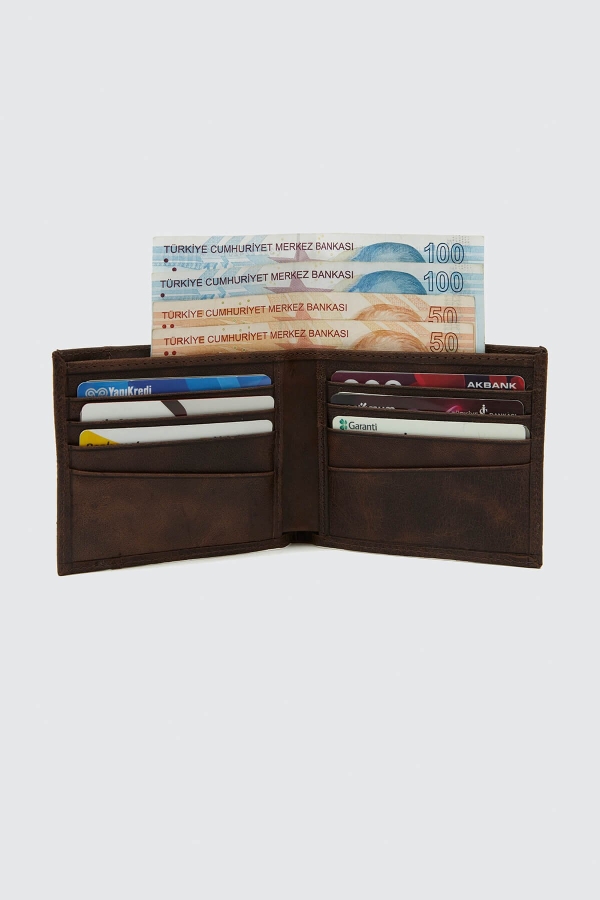
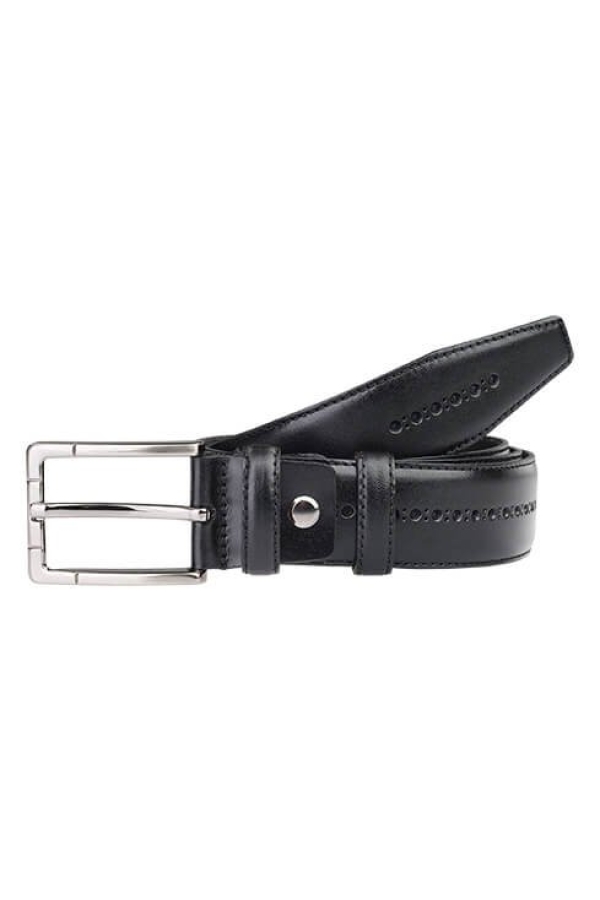
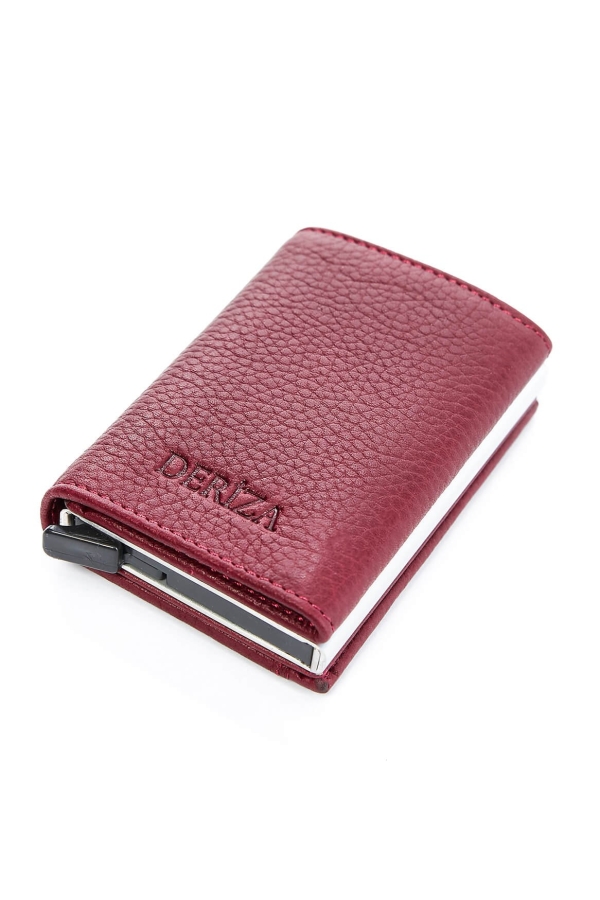
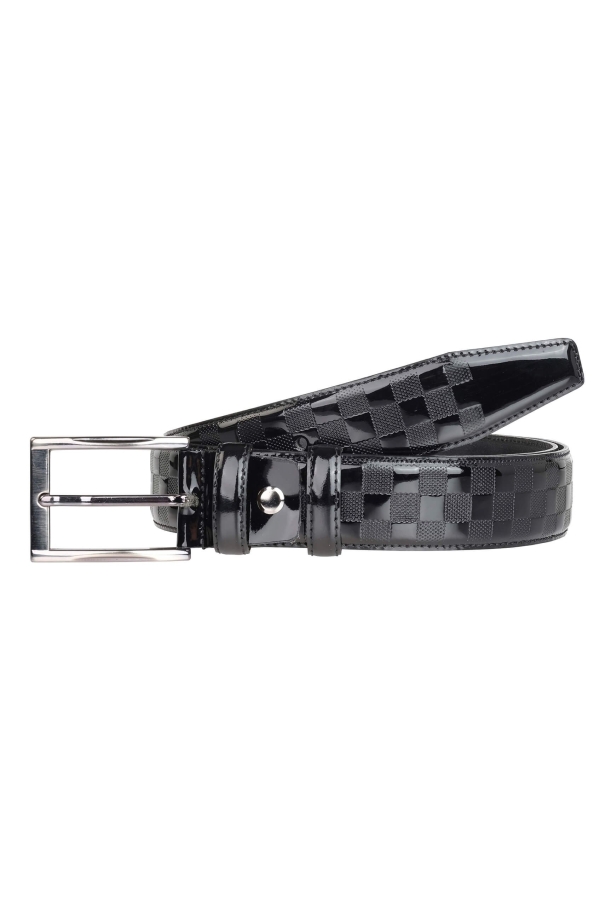
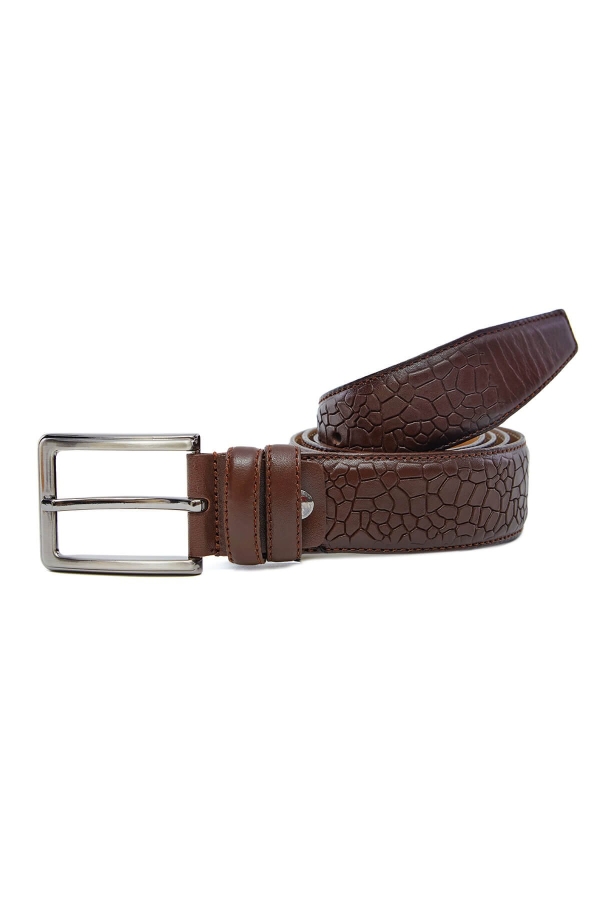
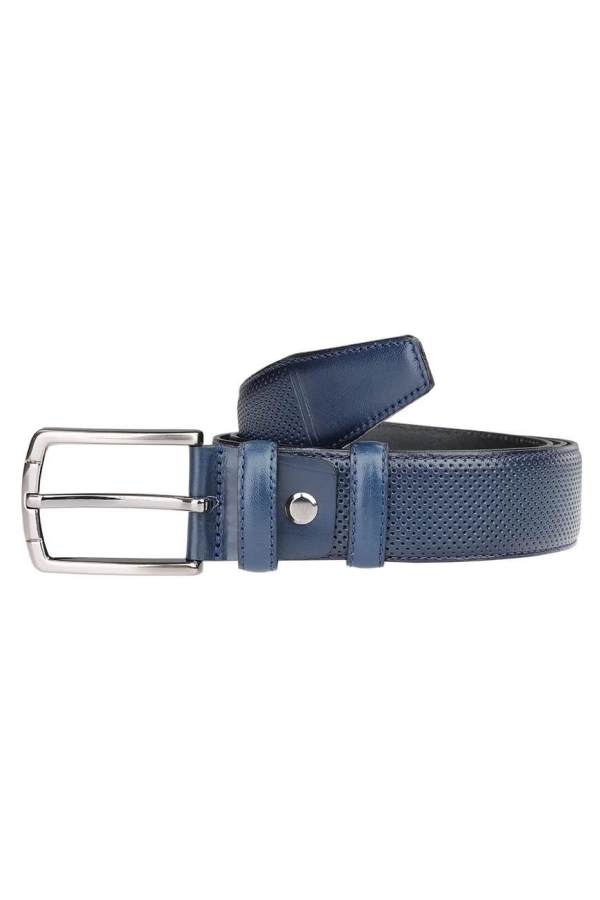
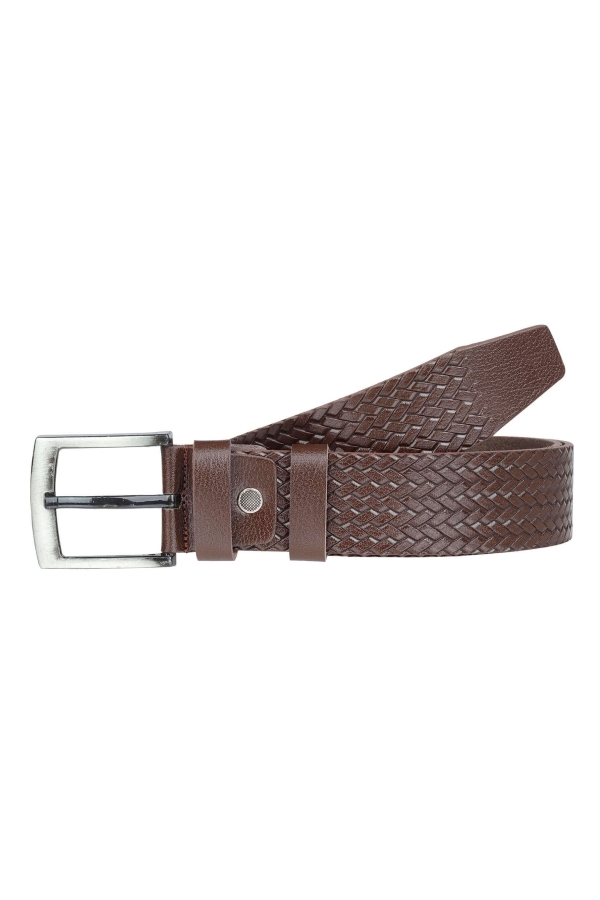
2. Leather Wallets, Cardholders, Belts and Bags
Leather accessories can be sold across a broader part of the year than seasonal outerwear.
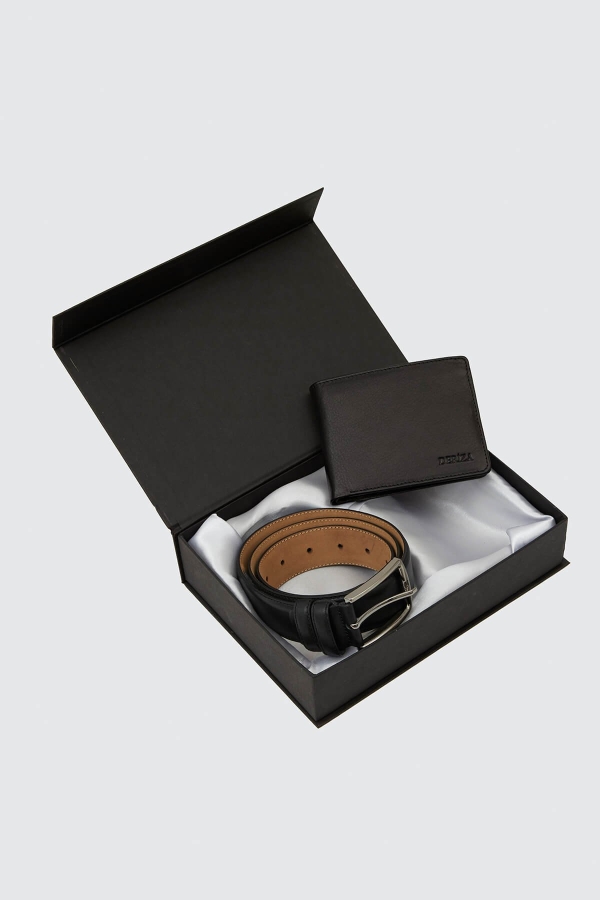
Wallets, cardholders, belts, bags and gift sets can appeal to both everyday use and gift-buying intent.
You can review Leather Wallets, Men's Leather Cardholders, Leather Bags and Belt & Wallet Gift Sets .
3. Personalised Baby Shoes
One of the notable personalised product groups within the Deriza product ecosystem is baby shoes and moccasins personalised with a name.
These products can address not only the basic need for baby footwear, but also birth gifts, birthday gifts and personalised gift searches.
For a dealer, the distinction is that standard purchase intent and personalised gift intent can exist within the same product family.
You can review these products in the Personalised Baby Shoes & Moccasins category.
Other baby categories include Genuine Leather First-Step Shoes , Leather Baby Booties & Moccasins and Baby Shoes .
4. Personalised Leather Products
Personalisation is not limited to baby products. Leather wallets and accessories with available personalisation options can also appeal to gift demand in addition to standard everyday use.
For this reason, personalisation can be viewed not only as a separate product category, but as an additional sales layer that opens the existing product portfolio to different buying intentions.
Which personalised products can be offered under which B2B model should be confirmed during the current application process.
What Is the Advantage of Offering Standard and Personalised Products Together?
| Product Group | Main Purchase Reason | Potential Sales Opportunity |
|---|---|---|
| Leather Jackets and Coats | Clothing, style and practical use | Particularly autumn and winter |
| Wallets, Cardholders and Belts | Everyday use and gifting | Demand spread across a broader part of the year |
| Personalised Baby Shoes | Baby footwear and personalised gifting | Personalised order intent |
| Personalised Leather Products | Everyday use + special gifts | Special occasions and personalised orders |
Leather Engineer's Note
The quality of a leather product cannot be measured only by whether it is described as “genuine leather”. Leather type, fibre structure, thickness, tanning and finishing, intended use, stitching construction and auxiliary materials all influence final product performance.
For this reason, a dealer should evaluate not only visual design and purchase price, but also whether the material and manufacturing structure are suitable for the product's intended use.
How Does the Deriza Dealer Model Work?
The Deriza Dealer model is designed for business partners that source products regularly and sell them through their own channels.
Commercial pricing may be applied to the dealer account according to the product and partnership structure. Businesses selling through physical stores, e-commerce or marketplaces may consider this model.
Dealer pricing should not be assumed to consist of one fixed discount percentage that applies identically to every business.
Commercial conditions may be evaluated according to product group, order quantity, overall volume, order frequency and the structure of the business relationship.
How Does the Deriza Wholesale Model Work?
Wholesale is intended for businesses that want to purchase products in higher quantities and manage their own stock.
In this structure, special quotations may be prepared according to the product group and order volume.
It should not be assumed that one fixed minimum order quantity applies to every product. Minimum order conditions may vary according to the product group and order structure.
For wholesale purchasing, it is more appropriate to request a current quotation based on the relevant product group, estimated quantity and intended sales model.
What Is the VIP Dealer (Dropshipping) System?
The VIP Dealer model is a dropshipping structure for e-commerce and marketplace sellers who want to sell products without pre-purchasing and physically holding inventory.
Inventory investment can tie up a significant part of working capital, particularly in categories with many products, models, colours and sizes.
Dropshipping can reduce this inventory burden. However, not holding stock does not mean the seller has no responsibilities.
Accurate product information, pricing management, customer communication, order tracking and the operations within the seller's own sales channel remain important.
How Does the Deriza VIP Dealer Dropshipping Process Work?
Within the current Deriza VIP Dealer structure, the core process from order creation to shipment is managed through the dealer account.
- The customer places an order: The sale takes place through the dealer's own e-commerce website or marketplace account.
- The Deriza order is created: The dealer creates an order for the relevant product through their Deriza account.
- The shipping label is uploaded: An eligible shipping label obtained from the marketplace is uploaded to the order details.
- The order is prepared: The product is checked and prepared for shipment by Deriza.
- Shipment on behalf of the dealer: For eligible orders, the product is shipped to the end customer on behalf of the dealer.
Within the dealer panel, orders, order values and current statuses can be followed; for eligible orders, shipping labels can also be uploaded from the relevant order details.
Which B2B Model May Be More Suitable for You?
There is no single B2B model that is more advantageous for every business.
| Your Situation | Model to Consider | Main Reason |
|---|---|---|
| You have an active store or regular sales channel | Dealer | Regular sourcing and commercial pricing |
| You want to purchase higher quantities and manage your own stock | Wholesale | Quotation structure based on volume and product group |
| You want to sell online without making a large inventory investment | VIP Dealer / Dropshipping | Stockless operation for eligible orders and shipment on behalf of the dealer |
What Should You Consider When Choosing a Leather Products Supplier?
Comparing only purchase prices is not enough when selecting a dealer or wholesale supplier.
It is more useful to evaluate the following factors together:
- Product and material quality: What leather and auxiliary materials are actually used?
- Product information: Are measurements, sizing, material and use information sufficiently clear?
- Product variety: Does the range address one customer group or several buying intentions?
- Stock and supply: How is supply managed for products that are sold?
- Order operations: Through which system can the dealer track orders?
- Dropshipping process: If stockless selling is available, are order and shipping responsibilities clearly defined?
- Personalisation: If available, how are personalised-product orders managed?
- Pricing: Which criteria are used to determine commercial terms?
- After-sales processes: How are order-related problems and operational communication handled?
- Long-term sustainability: Is the system built only around a first order, or around an ongoing business relationship?
What Can Personalised Products Add to a Dealer's Product Strategy?
With personalised products, the purchase decision is not based only on technical features or price.
When a customer orders an item for a specific person, the decision can gain a personal and emotional dimension.
For example, a standard baby shoe and a version prepared with the baby's name may address the same basic product need, but they do not create the same buying experience.
Similarly, a leather wallet with a personalisation option may serve both everyday use and gift-buying purposes.
For a dealer, personalisation can therefore be viewed not simply as “another product”, but as an additional sales dimension that can open the existing portfolio to gift and personalised-purchase intent.
How Are Deriza Dealer Prices Determined?
Deriza B2B pricing is not based on one fixed dealer discount rate.
Commercial terms may take into account:
- product group,
- order quantity,
- overall order volume,
- order frequency,
- the structure of the business partnership.
For this reason, comparing the system only by asking “What percentage dealer discount is available?” is not sufficient.
A better approach is to request a commercial quotation based on the intended product group and estimated sales volume.
How Do You Apply for a Deriza Dealership?
Applications for Dealer, VIP Dealer or Wholesale can be submitted through the B2B application area on the Deriza B2B & Dealer System page.
Depending on the current application form, business information may be requested, such as name, company name, email, phone number, city, sales channel, estimated product quantity and, where applicable, website or store details.
Before applying, clarifying these three points can make the evaluation process more efficient:
- Where will you sell? Physical store, e-commerce website or marketplace?
- Which product groups will you focus on? Leather apparel, accessories, baby products or other product groups?
- What will your inventory model be? Your own stock, higher-volume wholesale purchasing or dropshipping for eligible products?
After the application, the business's sales channel, expected volume and operational structure can be evaluated to determine the most suitable commercial model.
Frequently Asked Questions About Leather Products Dealership
Which B2B models does Deriza offer?
Deriza offers three main commercial models: Dealer, VIP Dealer (Dropshipping) and Wholesale. Current terms should be checked on the Deriza B2B & Dealer System page.
What is the difference between VIP Dealer and standard Dealer?
The standard Dealer model is focused on regular product sourcing, while the VIP Dealer model can allow sales without pre-stocking eligible orders. For marketplace orders, an eligible shipping label can be uploaded through the dealer account and shipment may be carried out by Deriza on behalf of the dealer.
Is there a minimum order quantity for wholesale?
There may not be one fixed minimum quantity for every product group. Minimum order conditions can vary according to the product category and order structure. Special quotations may be prepared for higher-volume purchases.
Can marketplace sellers become VIP Dealers?
Marketplace and e-commerce sellers may consider the VIP Dealer model for eligible applications. Applications remain subject to commercial evaluation.
Can Deriza dealers sell more than leather jackets and coats?
Deriza's product structure also includes wallets, cardholders, belts, bags, baby products and personalised products. However, which product groups are available under each B2B model should be confirmed through the current application and commercial evaluation process.
Can personalised baby shoes be included in a dealer strategy?
Personalised baby shoes are one of the customisable product groups within the Deriza product ecosystem. They can address both standard baby footwear demand and personalised gift intent. Their B2B scope should be confirmed during the application process.
Can leather products be sold through dropshipping?
Deriza's VIP Dealer model offers an option for e-commerce and marketplace sellers who want to sell eligible orders without making an upfront inventory investment. The current scope and commercial conditions should be checked before applying.
Which is more advantageous: dealership, wholesale or dropshipping?
No single model is more advantageous for every business. Capital, stock capacity, sales channels, estimated order volume and operational structure determine which model is more suitable.
Conclusion: Choose the B2B Model That Fits Your Business
The answer to “How do I become a leather products dealer?” is not limited to completing an application form.
First determine which product groups you want to sell, where you will reach customers, how much inventory investment you want to make and how your operation will be managed.
Alongside core categories such as leather apparel, wallets, cardholders, belts and bags, personalised baby shoes and customisable products can help address different purchase intentions.
The objective is not to list as many products as possible, but to match the right product group with the right customer segment and the right B2B model.
To compare Deriza's Dealer, Wholesale and VIP Dealer (Dropshipping) models, review the current commercial conditions and submit an application, visit the Deriza B2B & Dealer System page.