
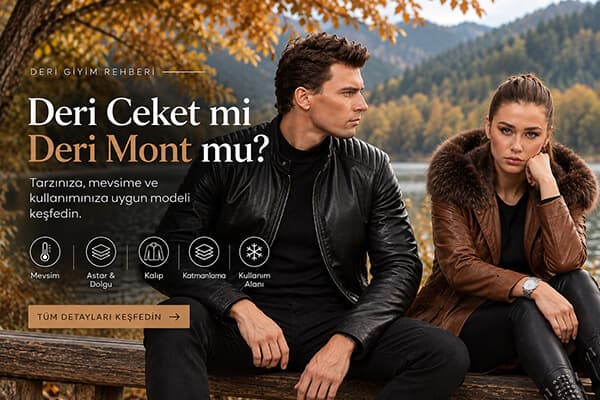
Leather Jacket or Leather Coat? Which One Is Right for You?
Should you choose a leather jacket or a leather coat? There is no single answer that applies to every product. Terms used for leather outerwear can overlap, and a product name alone does not tell you exactly how warm, long or substantial a garment is.
A better decision comes from comparing the actual garment length, lining, insulation if present, fit, collar and closure, layering space and intended season of use.
What Is the Main Difference Between a Leather Jacket and a Leather Coat?
There is not always a strict technical boundary between the two across every brand and design. A short and lightweight garment may be described as a jacket, while another product of a similar length may be marketed as a coat or outerwear style.
For that reason, it is more useful to evaluate the garment itself rather than assuming that every jacket is transitional and every coat is designed for winter.
| Criterion | Leather Jacket | Leather Coat |
|---|---|---|
| Length | Short and mid-length styles are common | May be short, mid-length or longer depending on the design |
| Interior | May have a lighter construction or lining depending on the model | May include lining or insulation depending on the model |
| Layering | Depends on the cut and actual measurements | Depends on the cut and available interior space |
| Season | Many styles work well in transitional seasons | Options may range from transitional to colder-weather designs |
| Use | Suitable for various everyday, city and office styles | Suitable for everyday use and, depending on construction, colder conditions |
1. How Does Garment Length Affect the Choice?
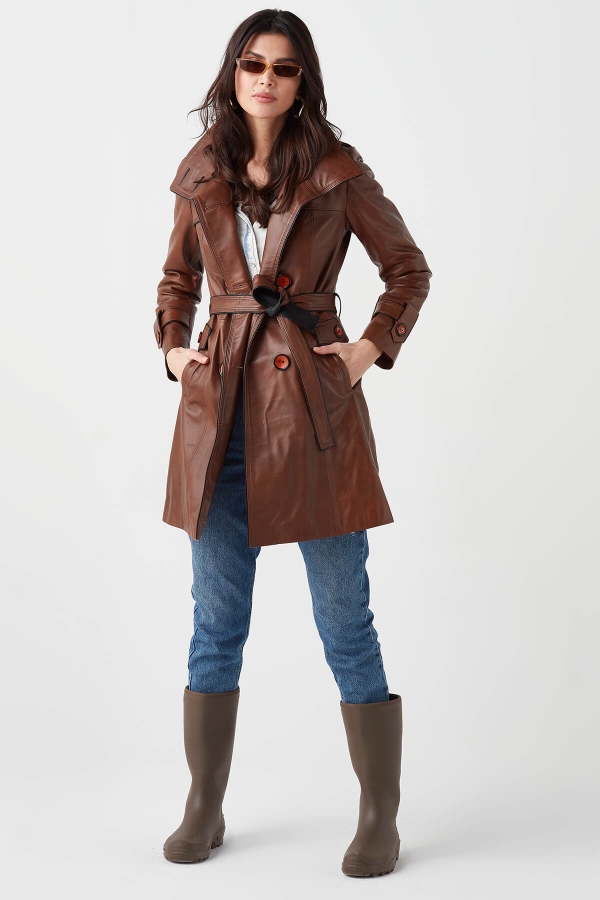
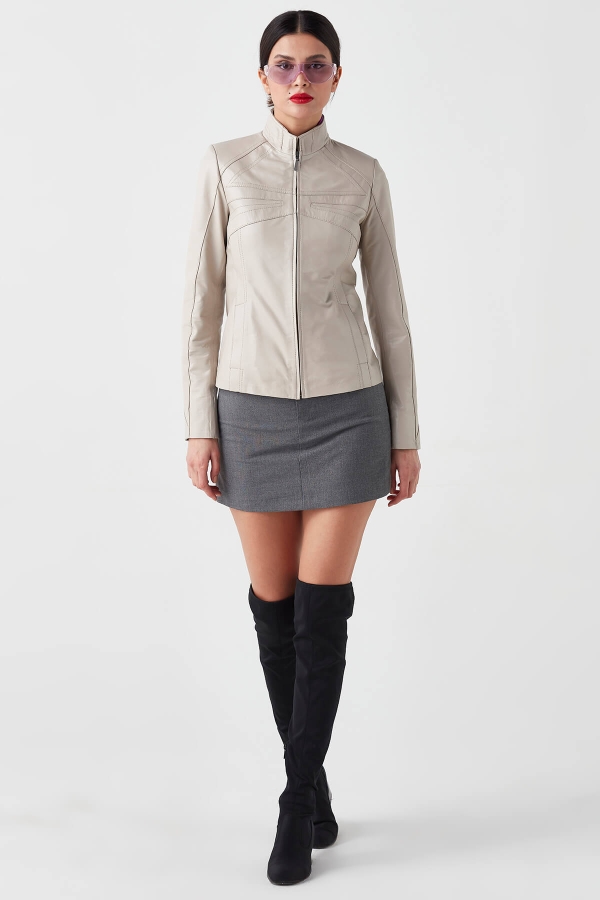
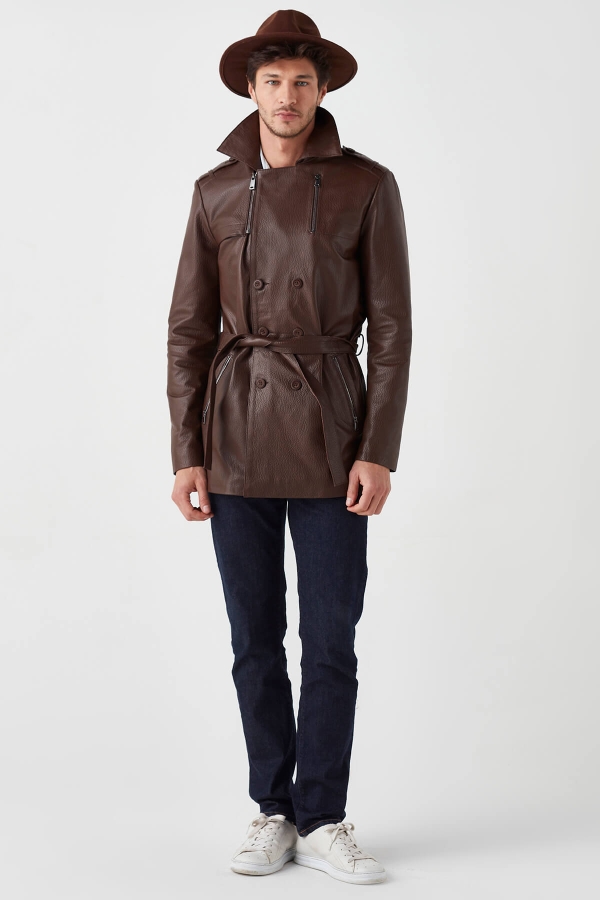
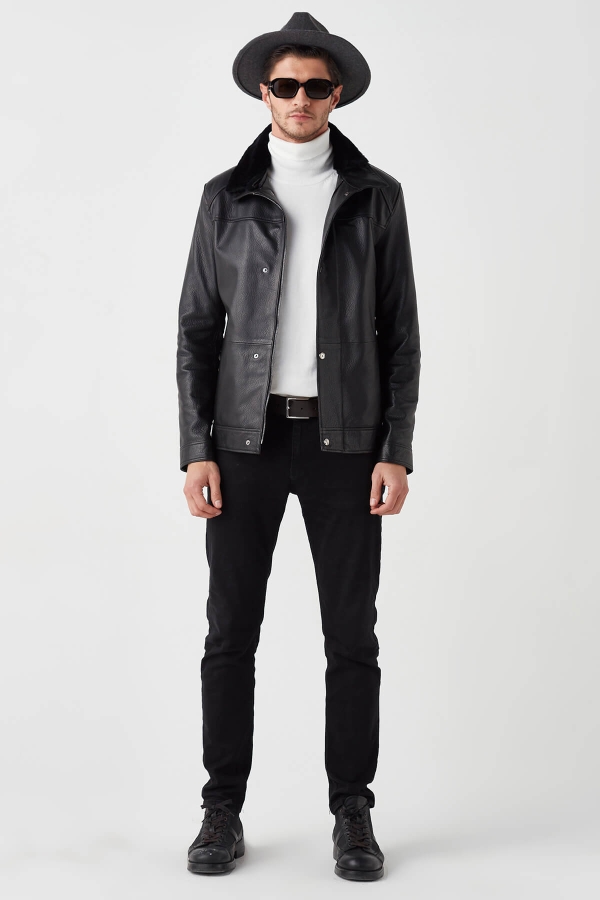
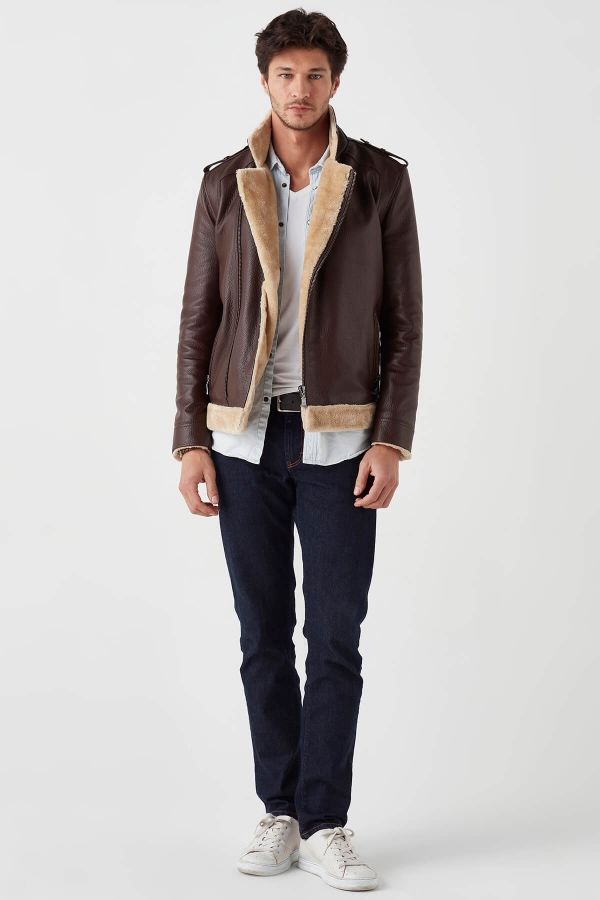
Length is one of the first details worth comparing. A shorter garment may feel more practical when sitting, driving or moving throughout the day, while a longer design can cover more of the body.
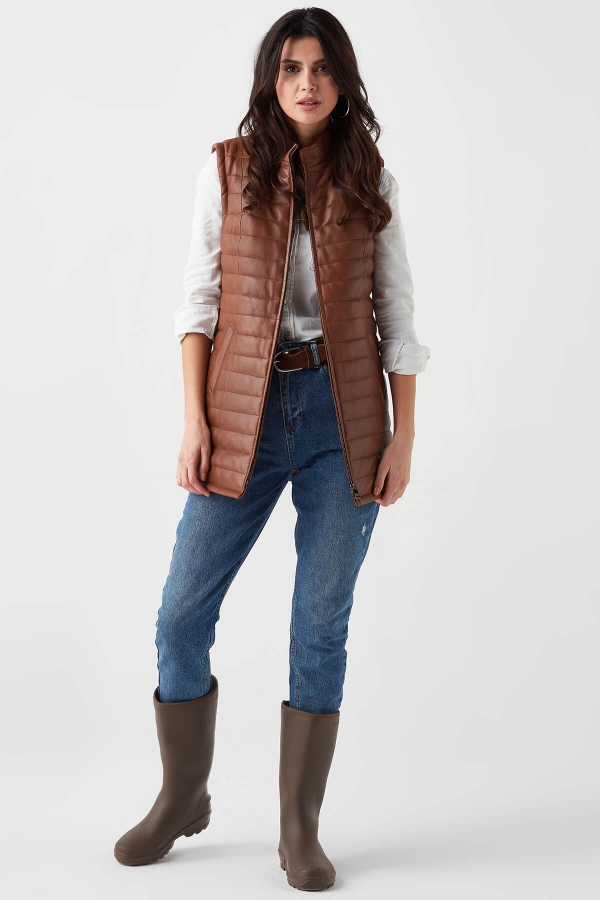
However, a jacket is not necessarily always short, and a coat is not necessarily always long. Check the actual garment length and study where the product sits on the body in the product photographs.
2. Why Do Lining and Insulation Matter?
The outer leather is only one part of a leather garment's seasonal performance. The internal construction also matters.
A lightweight design may be better suited to transitional weather. A garment intended for colder conditions may, depending on the model, include insulation, a more substantial lining, a more protective collar or a different closure system.
Therefore, it is not accurate to assume that every leather coat is automatically warmer than every leather jacket.
3. Does Fit Affect Layering?
Yes. Two leather garments made from similar materials can feel very different because of their fit.
A close-fitting design may provide less room for a thick sweater or mid-layer. A regular or more relaxed cut may offer additional layering space, depending on the garment.
This does not mean buying several sizes larger. Compare the intended fit and actual garment measurements with the clothes you plan to wear underneath.
4. Why Do the Collar and Closure Matter?
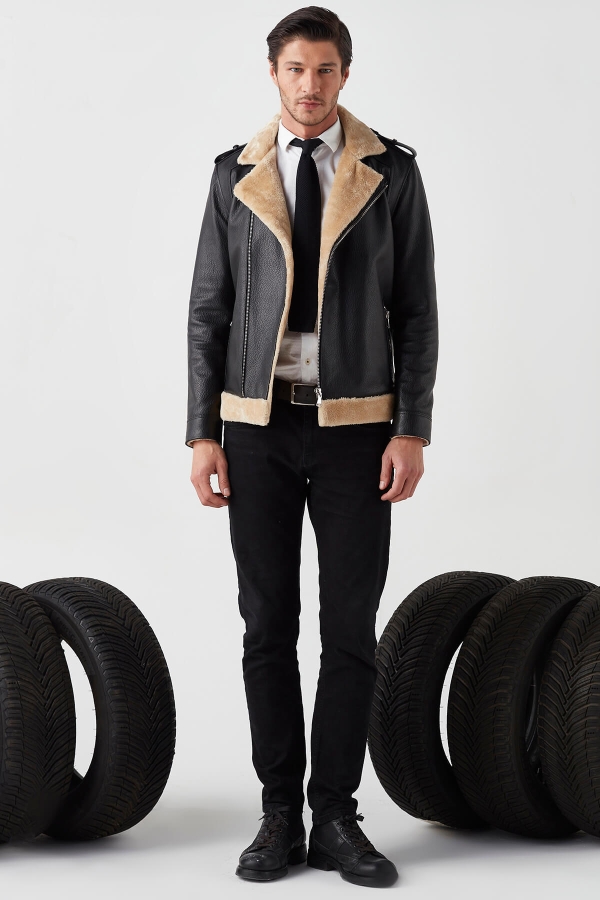
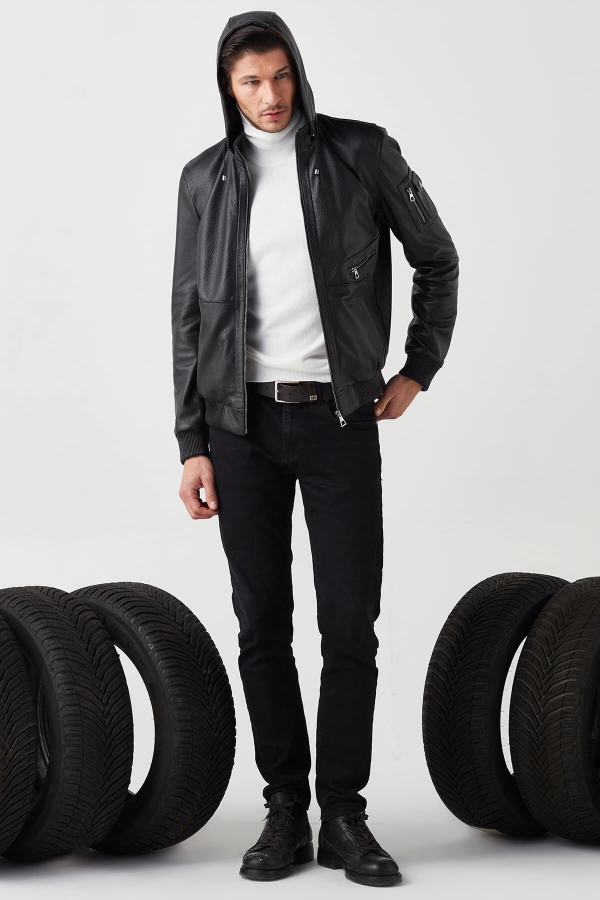
Collars and closure systems affect more than appearance. Stand collars, shirt collars, wider collars, hoods, zippers and buttons can change how much coverage the garment provides around the front of the body and neck.
When comparing two garments of a similar length, look at how the front closes and how the collar functions during wear.
5. When Can You Wear a Leather Jacket?
Leather jackets are frequently associated with spring and autumn, but their actual season of use depends on construction.
A short jacket with a lightweight interior and a more substantial lined jacket will not perform in exactly the same conditions. Rather than treating every leather jacket as transitional outerwear, evaluate each model individually.
6. When Can You Wear a Leather Coat?
Leather outerwear sold as coats can range from relatively light transitional designs to lined or insulated garments intended for colder weather.
If colder-weather use is your priority, examine the lining, insulation if present, garment length, collar, closure, fit and available layering space.
7. Jacket or Coat for Everyday Wear?
- Active city life and driving: A shorter or mid-length garment that allows comfortable movement may be practical.
- Transitional weather: Consider lightweight jackets or coats based on their actual construction.
- Colder conditions: Examine lining, insulation, length, closure and layering rather than relying on the product name.
- Office wear: Consider fit, collar, length and how the design works with your usual wardrobe.
- Layered outfits: Check whether the actual garment measurements leave enough space for your preferred mid-layer.
8. Short Leather Jacket or Longer Leather Coat?
This choice is not purely aesthetic. Garment length creates a balance between movement and coverage.
A shorter design may offer a more compact feel, while a longer garment covers a greater area of the body. Greater length, however, does not automatically mean better quality or greater warmth in every situation.
Lining, insulation, closure and the layers worn underneath remain important.
Quick Decision Guide
| Your Need | What to Check First |
|---|---|
| Transitional weather | Interior construction, length and layering |
| Cold weather | Lining, insulation, closure, collar and length |
| Active everyday use | Length, fit and ease of movement |
| Office and city wear | Fit, collar, design and wardrobe compatibility |
| Wearing over sweaters | Actual garment measurements and fit |
| More coverage | Garment length and closure |
Final Checklist Before Choosing
- Look beyond the product name and examine its actual features.
- Check the garment length.
- Review the lining and any insulation.
- Consider whether the fit allows your preferred layers.
- Check the collar and closure system.
- Decide where and in which season you expect to wear it.
- Compare the actual garment measurements with your body and wearing preferences.
Conclusion: Leather Jacket or Leather Coat?
The better choice depends on the actual garment rather than the category name alone.
A suitable leather jacket may be an excellent option for everyday wear, transitional weather or a lighter outerwear requirement. If you need greater coverage or a garment constructed for colder conditions, an appropriately designed leather coat may be more suitable.
The final decision should always be made model by model, taking length, lining, insulation, fit, closure and intended use into account.
Frequently Asked Questions
Are a leather jacket and a leather coat the same thing?
The terms may overlap in everyday retail language. To distinguish individual products, compare their actual length, lining, insulation, fit, collar and closure rather than relying only on the name.
Can a leather jacket be worn in winter?
It depends on the garment and conditions. Lining, length, closure, fit, layering and weather all affect suitability for winter use.
Is a leather coat always warmer than a leather jacket?
No. The product name alone does not determine warmth. Lining, insulation, length, collar, closure, layering and weather conditions all matter.
Which is more practical, a leather jacket or a leather coat?
That depends on your routine, climate, preferred length, clothing style and the layers you intend to wear underneath.
What should I check when choosing leather outerwear for winter?
Check the lining, any insulation, garment length, collar, closure, fit and available layering space together.