



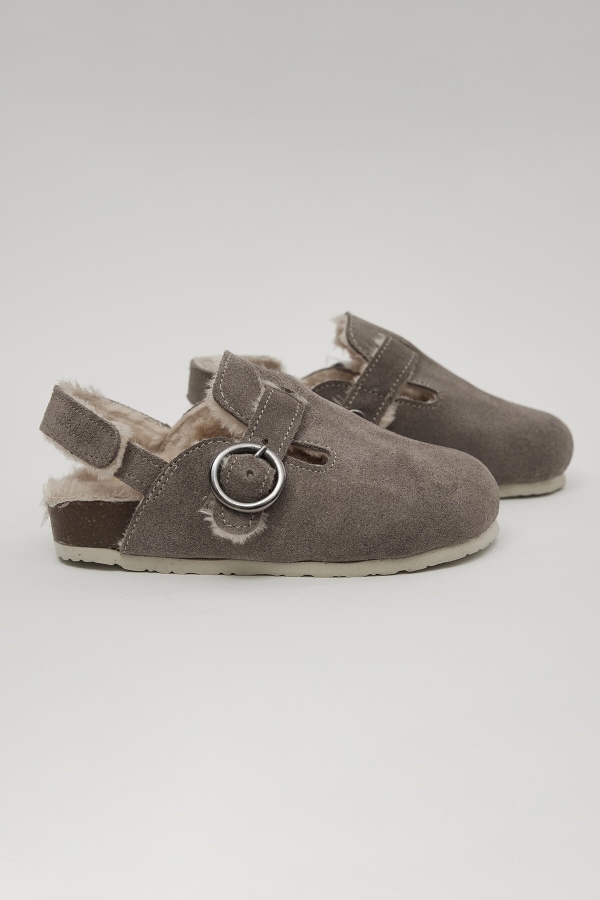



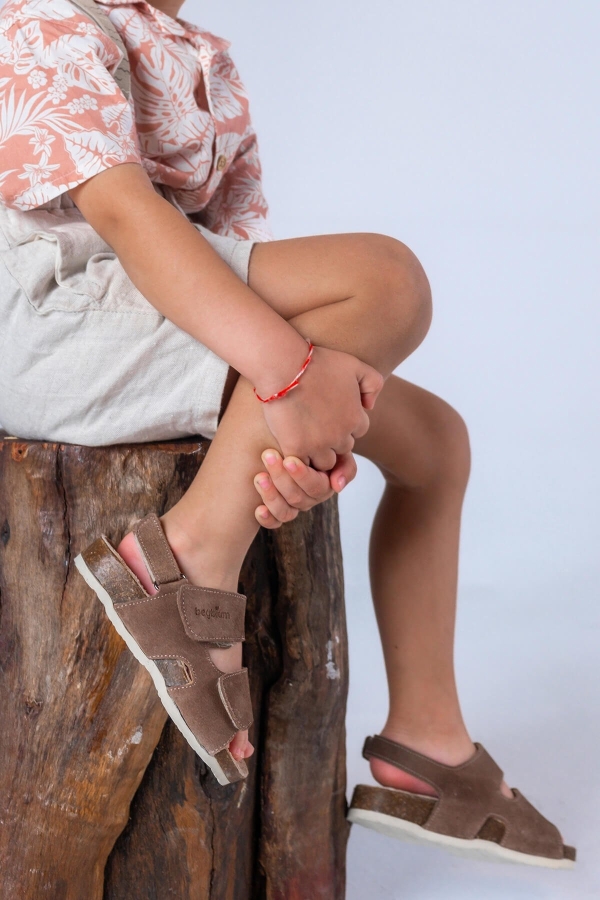
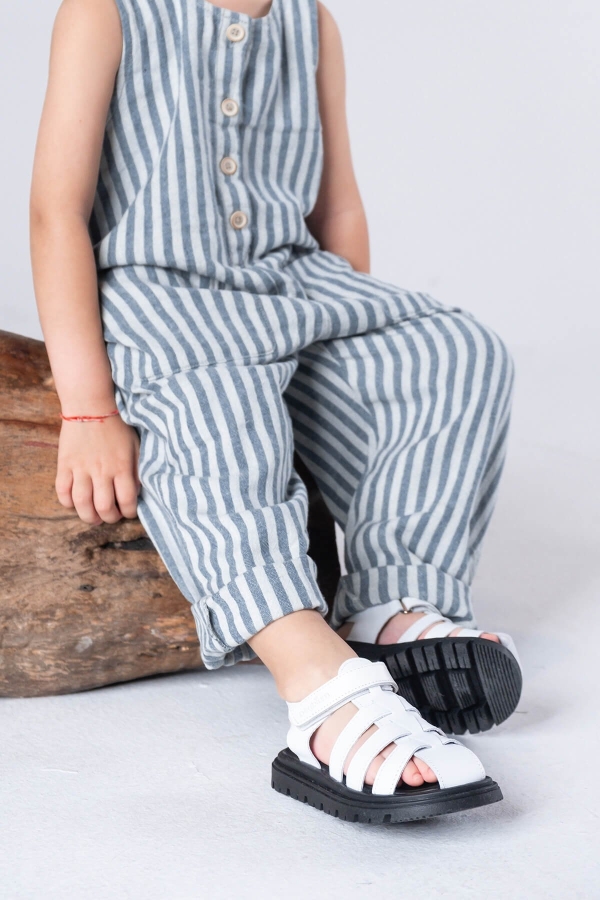
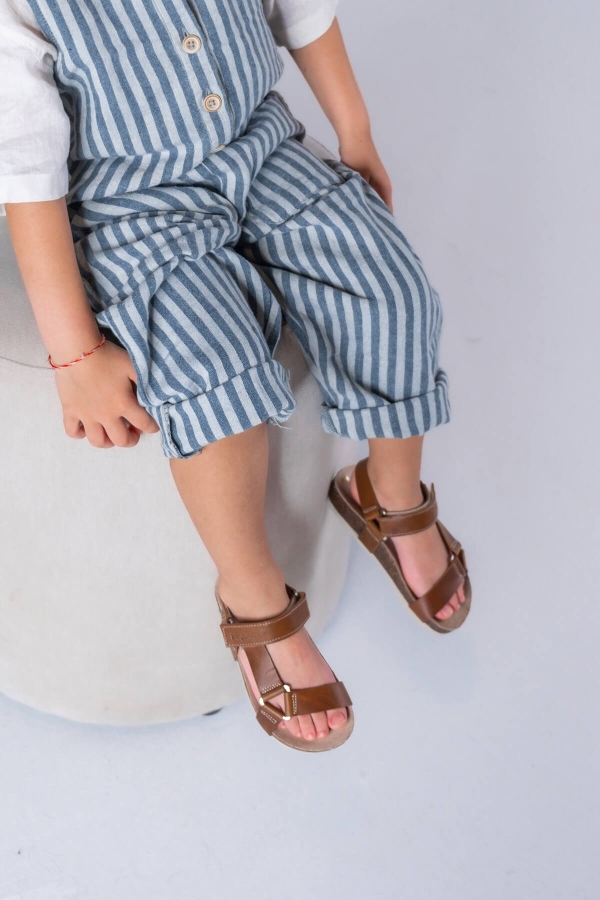
Leather Sandal Styles and Prices
Quick guide: When choosing leather sandals, consider where you will wear them, your foot measurements, strap design, fit and sole construction. Deriza uses genuine cowhide in its footwear range. Materials, soles, fastenings and other features can vary by style, so check the product description before purchasing.
Choosing leather sandals involves more than appearance or the shoe size you usually wear. Two styles in the same size may differ in their fit, strap width, how they hold the foot and sole construction. The right choice depends on how well your foot measurements, the actual fit of the product, the intended use and the comfort you need work together.
This guide covers leather sandals by design, strap and fastening, sizing, sole, use, material and care. Product details can vary by model, so use this general information together with the measurements and material specifications for the sandal you choose.
Why does a leather-engineering approach matter in sandals?
Deriza was founded by Recep Aycan, a graduate of Ege University’s Leather Engineering program. This technical background supports an approach that considers sandals not only as a design item, but also as footwear in which leather, fit, foot shape, straps, attachment points, sole and everyday use work together.
Sandals flex repeatedly as you walk and contact your foot at several points. The upper straps hold parts of the foot while the sole meets the ground. For that reason, the upper material is only one part of the selection. Fit, strap placement, fastening, sole flexibility and the overall weight of the sandal also matter.
Deriza’s product approach considers leather, fit, straps and sole construction in relation to intended use. These features may vary by model, so review the product details for the pair you are considering.
Genuine cowhide in leather sandals
Deriza uses genuine cowhide in its footwear range. Leather thickness, softness and surface finish can affect a sandal’s appearance and feel. If the product description specifies smooth leather, a suede finish or another surface, use that information when considering care and intended use.
The words “genuine leather” do not describe every feature of a product. Alongside the leather, consider the fit, strap attachments, stitching, inner surface, fastening and sole. Do not assume that features such as a particular sole material, anatomical shape or fastening system apply to every style. Confirm them on the product page.
Genuine leather is a natural material. Slight variations in pores, grain or tone may occur. Their appearance can vary according to the finish of the product.
Leather sandal styles
Flat leather sandals
Flat styles may suit everyday wear if you prefer a simple look. Consider more than the flat sole: check how your foot sits on the sandal, where the straps are placed and whether the design suits your intended use.
Cross-strap and multi-strap sandals
Multiple straps can hold different parts of the upper foot. Their width and placement affect the feel of the sandal. Check that the straps do not squeeze your foot or cause discomfort as you move.
Buckle and adjustable sandals
Styles with buckles may let you adjust strap length to some extent. This can help accommodate differences in foot width or instep height. However, adjusting a buckle does not make up for the wrong size or an unsuitable fit.
Ankle-strap sandals
For sandals with an ankle strap, consider its length, fastening and position around your ankle. Choose an adjustment that does not pinch or feel uncomfortable when walking.
Heeled and platform sandals
Heel height and platform construction affect how a sandal feels and where it may be worn. If you expect to spend a long time on your feet, do not choose based on appearance alone. Consider the sole, how the straps hold your foot and whether the model fits you properly.
Choosing leather sandals for different uses
Think about where and for how long you plan to wear your sandals. Everyday city use, holidays, special occasions and extended periods on your feet may call for different designs and sole features.
- Everyday city wear: Consider a suitable fit, practical fastening and a design that works with your everyday clothes.
- Warm weather and holidays: Look for an open design that is easy to put on and suitable for the surface where you will wear it.
- A more secure hold: Consider strap designs that hold different parts of the upper foot.
- Adjustable fit: Look at styles with an adjustment at the ankle or upper-foot strap.
- Special occasions or a more defined look: Consider heel height, colour, surface finish and how the sandals work with your outfit.
Not every sandal suits every surface, activity or length of wear. Check the design and the product’s stated features.
How to choose leather sandals for your foot shape
A comfortable fit is not only about choosing the right size. Alongside foot length, consider width, forefoot shape, instep height and strap placement.
Wide forefeet
Very narrow or fixed straps may create pressure across the forefoot. Consider wider or adjustable styles. The straps should hold your foot without squeezing it.
Narrow feet
If your foot moves too far forward, backward or sideways inside the sandal, you may feel less secure while walking. Look for strap placement that offers a more balanced hold or consider an adjustable style.
High insteps
Fixed, narrow straps may feel uncomfortable on a high instep. Adjustable buckle styles may be an option. Adjust the strap so it holds the foot without creating pressure.
These are general selection tips. Make your final choice based on the actual fit, measurements and shape of the product.
How to choose a leather sandal size
Your usual shoe size can be a starting point, but use the sizing and fit information for the specific sandal. Two styles in the same size may have different internal lengths or shapes.
Measure your foot length
Measure from your heel to your longest toe in centimetres. If possible, measure both feet and use the measurement of the longer foot. Compare it with the size guide or measurements on the product page.
Check the heel and toe position
Your heel and toes should not extend noticeably beyond the edges of the sole. Your foot should sit in a balanced position, without the toes being pressed against the front edge.
Assess the strap fit
The straps should hold your foot without creating noticeable pressure. For an adjustable style, check that the fastening stays secure as you walk and does not restrict natural movement.
Should leather sandals feel tight when new?
New leather straps may feel firmer before they have been worn. However, pain, strong pressure, pinched toes or clear discomfort do not indicate a good fit. Distinguish a slight contact feel from pressure caused by the wrong size or shape.
Genuine leather may soften somewhat with use. Do not assume this happens in the same way for every model or that it will correct the wrong size. “Leather will stretch” is not a reason to choose a pair that already feels uncomfortable.
Why does the sole matter?
The sole connects the position of your foot in the sandal to the ground. Its material, thickness, flexibility and surface can vary by model.
Sole flexibility
Flexibility affects how the sandal moves as you walk. Whether a firmer or more flexible sole suits you depends on how you plan to use the sandal and how it is constructed.
Sole thickness and weight
Sole thickness can affect how much you feel the ground and the overall weight of the sandal. A thicker sole does not automatically mean greater comfort for every wearer.
Special sole features
Some styles may have features such as a cork sole, anatomical shape or specific grip. Confirm these details on the product page rather than assuming they apply to every model.
What is the difference between leather sandals and slippers?
Depending on the style, sandals may have additional straps over the foot, around the ankle or near the heel. Slippers usually leave the back of the foot more open and are designed to be easy to put on and take off. If you want more hold around the foot, consider a sandal. If easy on-and-off wear is your priority, slippers may suit you better.
For more information about slipper and sabo styles, read the leather slipper and sabo guide.
When can leather sandals be worn?
Open sandals are often chosen for warm weather and transitional seasons. The weather, ground and design of the sandal also matter. Do not assume that leather sandals are suitable for heavy rain or prolonged exposure to water.
If you need a more enclosed style, compare other options in the leather shoes category.
How to clean leather sandals
Choose a care method that suits the material and surface finish. On suitable leather surfaces, light dirt may be removed gently with a soft, slightly damp cloth. This may not be appropriate for suede or other finishes, so check the care instructions for the model.
- Do not machine-wash leather sandals.
- Do not use excess water or detergent.
- Do not apply cologne, alcohol or harsh chemicals directly to the leather.
- Test a care product on a small, inconspicuous area first.
- For difficult stains, seek professional cleaning from someone experienced with leather.
What to do if leather sandals get wet
Do not treat genuine leather sandals as footwear designed for the sea or pool. If they get wet, gently remove excess moisture and let them dry naturally at room temperature in a well-ventilated place. Fast drying near a radiator or heater, with a hair dryer or in strong direct sunlight may affect the leather surface and the shape of the product.
How to store leather sandals
- Do not put damp sandals straight into a closed cupboard or bag.
- Let them air after wearing.
- Avoid leaving them in direct sunlight for long periods.
- Do not place heavy items on them in a way that could change the shape of the straps or sole.
- If you will not wear them for a while, store them in a dry, ventilated place.
What affects leather sandal prices?
Leather sandal prices are not determined only by the amount of leather used. Leather quality and finish, the number and construction of straps, fastening, sole material, fit, hardware and workmanship can all affect the price.
When comparing prices, look beyond the phrase “genuine leather” or the heel height. Consider the material details, strap and sole construction, workmanship and whether the model suits your intended use.
Checklist for choosing leather sandals
- Decide where and for how long you plan to wear them.
- Measure your foot in centimetres.
- Check the product’s own size and measurement information.
- Consider your foot width, forefoot shape and instep height.
- Check that your heel and toes sit properly on the sole.
- Make sure the straps do not squeeze your foot or feel too loose.
- Consider the sole together with the surface and length of wear.
- Do not assume material or performance features that are not listed for the product.
- Do not choose a smaller size on the assumption that “leather will stretch.”
- Read the material, sizing and care details before purchasing.
Why choose Deriza leather sandals?
- Genuine cowhide: The core material approach in Deriza’s footwear range.
- Leather-engineering approach: Leather, fit, straps, sole and intended use are considered together.
- Different design options: Strap, fastening and sole construction can vary by model.
- Fit-focused selection: Foot width and strap fit matter alongside size.
- Product-specific material details: Check the features of each style on its own product page.
- Made in Türkiye: Leather and footwear experience inform product development.
Compare other footwear in the leather shoes category, or read the leather slipper and sabo guide.
Frequently asked questions about leather sandals
What leather does Deriza use in its sandals?
Deriza uses genuine cowhide in its footwear range. Check the product page for the material and surface details of the style you choose.
How do I choose a leather sandal size?
Measure your foot in centimetres and compare it with the product’s measurements. Also consider how your heel, toes and the straps sit on your foot.
Should leather sandals feel tight when new?
New leather straps may feel firmer. Pain, strong pressure or pinched toes may mean the size or shape is not suitable.
Do genuine leather sandals stretch over time?
The straps may soften or stretch slightly. Do not expect the wrong size to become right with wear.
What is the advantage of buckle sandals?
An adjustable buckle can change the strap fit to some extent. It does not replace choosing the right size and shape.
Can leather sandals be worn outdoors?
They can if the sole and overall construction suit outdoor use. Consider the product details and the surface where you plan to wear them.
Are leather sandals waterproof?
Genuine leather sandals should not be considered completely waterproof. Protect them from heavy or prolonged exposure to water.
Can leather sandals be machine-washed?
No. Do not machine-wash them. Follow care instructions suited to the product’s material.
Can genuine leather sandals make your feet sweat?
Sweating depends on temperature, wearing time, inner surface and sole construction, personal foot characteristics and how open the sandal is. It cannot be ruled out.
Why do leather sandal prices vary?
Leather quality and finish, strap and sole construction, fastening, hardware, fit and workmanship can all affect the price.