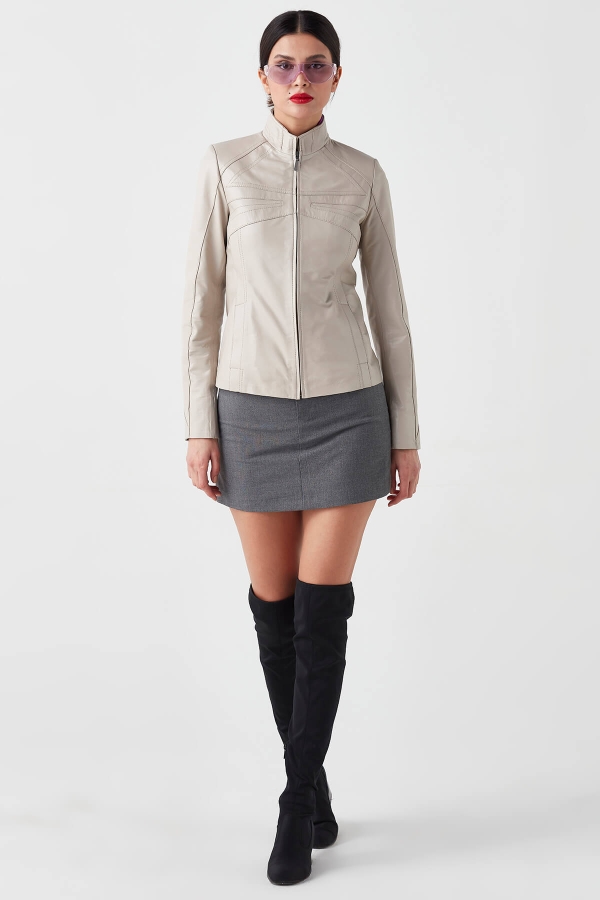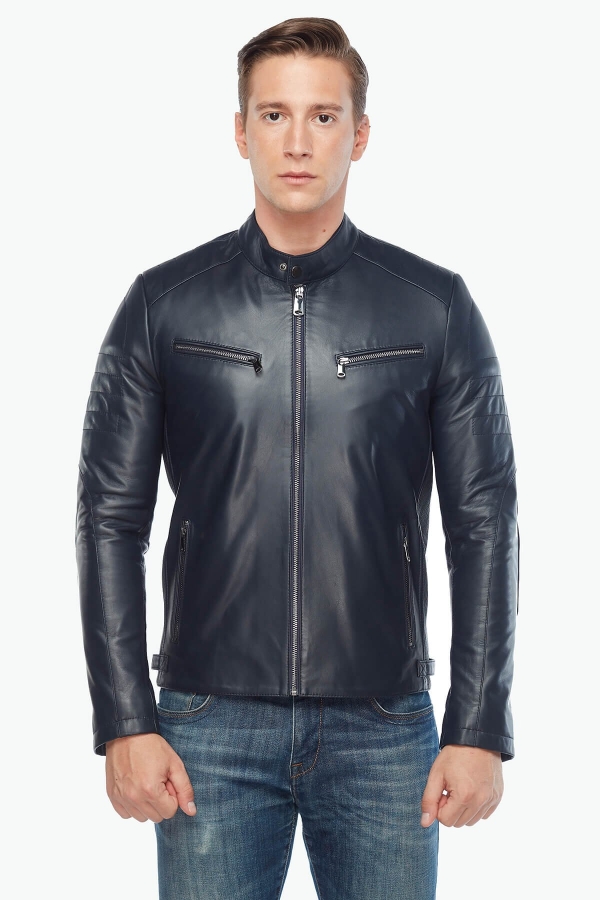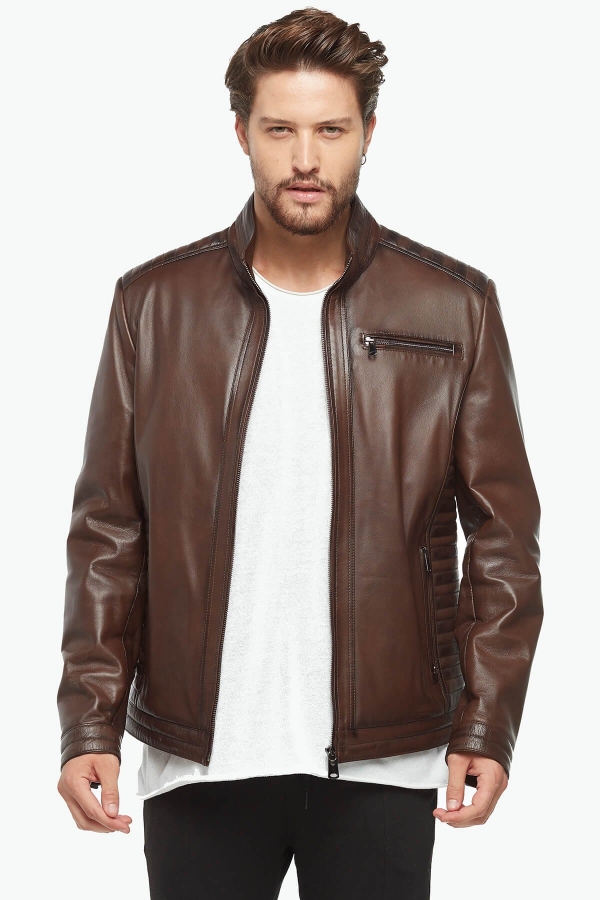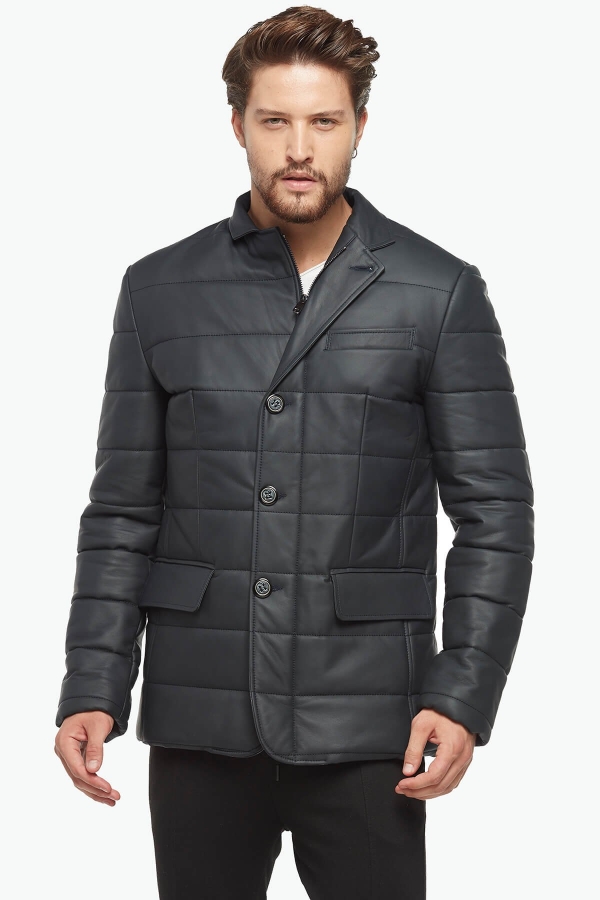


How to Choose a Leather Jacket: Style, Fit & Usage Guide
Quick Answer: How Should You Choose a Leather Jacket?
When choosing a leather jacket, consider more than its appearance. The jacket's fit, proportions, style, intended use and seasonal suitability should work together. A good choice is a jacket that fits your body comfortably, reflects your personal style and is suitable for where and when you plan to wear it.
A leather jacket is one of those wardrobe pieces that can remain relevant for years. However, choosing the right one is not simply a matter of selecting a colour or design you like. The jacket should also suit your body proportions, clothing style and intended use.
In this guide, we focus specifically on how to choose the right leather jacket: from fit and silhouette to style, season and everyday use.
1. Start With How You Plan to Wear the Jacket
Before comparing different models, think about where and how often you expect to wear your jacket. A model intended for everyday city use may have different priorities from a jacket chosen primarily for formal outfits, transitional weather or a more distinctive biker-inspired look.
- Everyday use: Comfort, freedom of movement and versatility are important.
- Classic outfits: Cleaner lines and restrained details may be easier to combine.
- Sporty style: More relaxed cuts and functional details can be appropriate.
- Biker style: Asymmetric closures, prominent collars and metal details can define the look.
Instead of asking which leather jacket is universally the best, ask which model best suits your own use and style.
2. Choose a Fit That Works With Your Body
Fit has a major influence on how a leather jacket looks and feels. Slim, regular, relaxed, boxy and oversized cuts create different silhouettes, even when they are made from similar materials.
The shoulder line is a useful starting point. Unless the model is intentionally oversized, the shoulders should sit naturally without excessive pulling or dropping. The chest and waist should allow comfortable movement when the jacket is closed.
Sleeve length and overall jacket length should also be considered together. A shorter jacket creates a different proportion from a longer model, so the right choice depends on both your body proportions and the look you want to achieve.
3. Do Not Choose a Leather Jacket by Size Label Alone
A size such as S, M or L does not necessarily have identical measurements across different jacket models. Cut, design and construction can change the actual dimensions of the garment.
For this reason, compare your measurements with the actual product measurements whenever they are available. Shoulder, chest, waist, sleeve length and total length are particularly useful.
At Deriza, size charts for leather apparel are prepared using measurements taken from the physical product. This makes it possible to evaluate each model according to its own dimensions rather than relying solely on a general size chart.
For more detailed information, see our Leather Jacket Size Selection Guide .
4. Select a Style That Reflects How You Dress
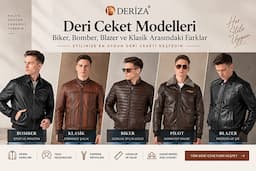
Leather jackets are available in many different silhouettes. Instead of choosing a model only because it is currently fashionable, consider how easily it will work with the clothes you already wear.
Classic Leather Jackets
Clean lines and restrained detailing make classic designs suitable for a wide range of combinations. They can work particularly well when you want the leather jacket to remain a long-term wardrobe piece.
Biker Jackets
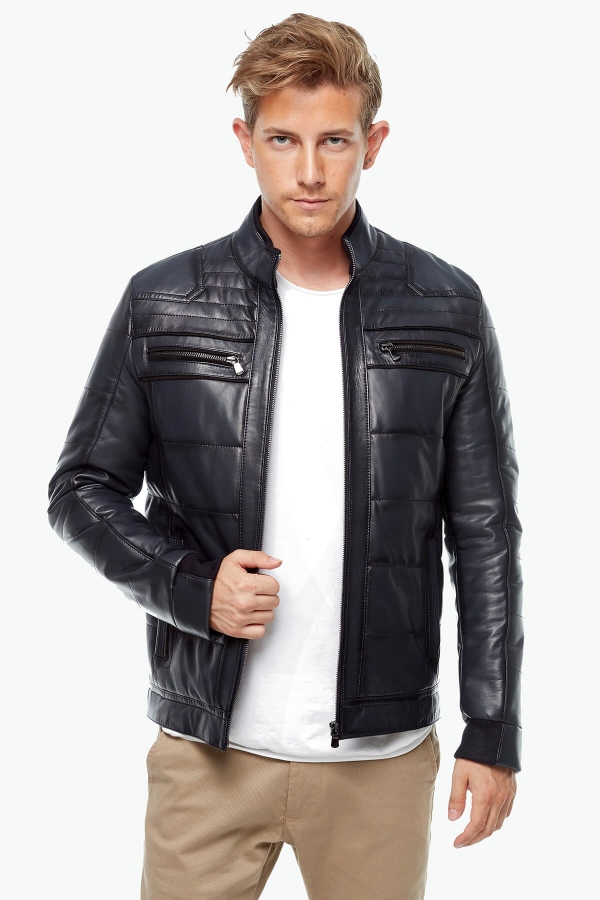
Biker-inspired jackets often feature asymmetric zips, pronounced collars and metal hardware. They create a stronger and more distinctive silhouette.
Sport and Casual Jackets
Sportier designs can offer a more relaxed appearance and may be easier to integrate into everyday outfits.
Oversized and Relaxed Fits
Oversized models deliberately create additional volume. In these designs, the shoulder position and body width should be evaluated according to the intended silhouette rather than according to the rules of a classic fitted jacket.
5. Consider the Season
Leather jackets can be used across different parts of the year, but not every model is equally suitable for every weather condition.
Lighter constructions can be practical during transitional seasons, while colder conditions may require greater attention to the lining, closure, collar, length and overall construction of the garment.
If you need greater protection in colder weather, you can also compare Leather Jacket and Coat options designed for different conditions.
6. Think About Colour and Versatility
Colour affects how easily a leather jacket integrates into your wardrobe. Black and brown are traditional choices because they can work with a broad range of outfits, while colours such as burgundy, navy, beige, green or red can create a more distinctive appearance.
The best colour is therefore not necessarily the most popular one. Consider the trousers, shoes, knitwear and accessories you already use regularly.
7. Check the Material and Workmanship Before Making Your Final Choice
Style and fit should not replace basic product-quality checks. Before purchasing, review the stated leather type, surface, stitching, lining, zips and other components of the jacket.
However, these characteristics should be evaluated together rather than relying on a single sign such as softness, thickness or surface appearance.
For a detailed technical checklist, read our What to Look for When Buying a Leather Jacket guide.
8. Build Outfits Around the Character of the Jacket
A leather jacket becomes more versatile when its silhouette matches the rest of your wardrobe. Classic models can be combined with shirts, knitwear and more structured trousers, while biker and sport styles work naturally with jeans, T-shirts and casual footwear.
During colder weather, knitwear and scarves can add warmth. In milder conditions, a lighter top can allow the jacket itself to become the focal point of the outfit.
9. Consider Care Requirements Before Buying
Genuine leather is a natural material, and care requirements can vary depending on the leather and its surface finish. Avoid assuming that every leather jacket should be cleaned or conditioned in exactly the same way.
In general, avoid prolonged moisture, direct high heat and untested cleaning products. For detailed guidance, see our Genuine Leather Care Guide .
Leather Jacket Selection Checklist
- Decide where and how you will wear the jacket.
- Choose the silhouette that suits your personal style.
- Check shoulder, chest, waist, sleeve and overall length.
- Use actual product measurements rather than relying only on the size label.
- Consider the season and intended use.
- Choose a colour that works with your existing wardrobe.
- Review leather, stitching, lining and hardware before purchasing.
- Learn the appropriate care requirements for the product.
Men's and Women's Leather Jacket Selection
The fundamental selection principles are similar for men's and women's leather jackets, but proportions, cuts and design details can differ considerably between models. This is why the actual measurements and fit of the individual product matter more than relying on a general assumption about sizing.
Explore Men's Leather Jackets and Women's Leather Jackets to compare different silhouettes and styles.
Frequently Asked Questions
How should a leather jacket fit?
The jacket should allow comfortable movement through the shoulders, chest and arms. The correct fit also depends on whether the model is designed to be slim, regular or oversized.
Should I buy a leather jacket one size smaller?
Not automatically. Choose according to the model's actual measurements and intended fit rather than deliberately buying a smaller size.
Which leather jacket style is the most versatile?
This depends on your wardrobe. Classic designs with restrained details are generally easy to combine, while biker and sport styles create a stronger visual character.
Which colour leather jacket should I choose?
Black and brown are versatile traditional options, but the best choice is the colour that works most naturally with the clothes and footwear you already use.
Conclusion: Choose the Jacket That Fits Your Style and Use
The right leather jacket should bring together fit, style, comfort and intended use. Rather than choosing solely according to trends or appearance, compare the model's proportions, actual measurements, seasonal suitability and compatibility with your wardrobe.
This approach makes it easier to choose a leather jacket that you can comfortably integrate into your style for years to come.