
What to Look for When Buying a Leather Jacket?
Quick Answer: What Should You Look for When Buying a Leather Jacket?
When choosing a leather jacket, it is not enough to check only whether the product is made from genuine leather. Leather type, thickness, surface and finishing, stitching quality, lining, zippers and hardware, fit, actual garment measurements, shoulder-chest-waist balance, intended use and season should all be evaluated together. A good leather jacket is one in which the material, fit, workmanship and intended use are compatible with each other.
There is no single answer to the question what should you look for when buying a leather jacket? The quality of a leather jacket is not determined only by whether the leather is genuine. Leather type, fibre structure, thickness, tanning and finishing processes, cutting, stitching, lining, hardware and garment fit should all be considered together.
It is also important to consider where and under which conditions the jacket will be worn. A lightweight leather jacket intended for everyday city use in transitional seasons does not have the same material and construction requirements as outerwear designed for colder weather.
At Deriza, we evaluate leather garments by considering the material properties, product design, real intended use and garment workmanship together.
10 Key Criteria for Choosing a Leather Jacket
| Criterion | What to Check | Why It Matters |
|---|---|---|
| Leather Type | Lamb, cowhide or other leather used | Can affect softness, weight, flexibility and garment character. |
| Surface and Finish | Surface appearance, handle and applied finish | Influences appearance and wearing characteristics. |
| Leather Thickness | Thickness appropriate for the design and intended use | Affects weight, structure, movement and seasonal use. |
| Hand Feel and Flexibility | Softness and handle appropriate for the model | Influences comfort and how the jacket sits on the body. |
| Stitching and Workmanship | Consistent stitching and secure joins | Important for garment construction and wearing performance. |
| Lining | Interior construction suitable for the garment and intended use | Affects ease of dressing, movement and comfort. |
| Zippers and Hardware | Smooth operation and secure attachment | Determines the performance of frequently used components. |
| Fit and Size | Shoulders, chest, waist, sleeves and actual garment measurements | Determines appearance and freedom of movement. |
| Intended Use | Everyday, smart, sporty or transitional use | Helps determine the right leather, design and interior construction. |
| Care | Care method suitable for the leather and finish | Helps preserve the surface appearance and garment shape. |
1. Pay Attention to the Type of Leather
One of the first things to check when choosing a genuine leather jacket is the type of leather used. Not all genuine leather has the same physical characteristics. Animal type, raw hide properties, fibre structure, thickness, tanning, fatliquoring and finishing all influence the final character of the jacket.
Different leather types, including lamb leather and cowhide, can be used in leather apparel. It is not correct to rank them simply as “better” or “worse”.
- Lamb leather: Can generally offer a relatively lightweight, soft and supple character. It is commonly used in leather garments where comfort of movement and a more fluid appearance are important.
- Cowhide: Depending on selection and processing, it can offer a firmer and more structured character. These properties may be preferred for certain garment designs.
The better question is therefore not “which leather is higher quality?” but “which leather is more suitable for this jacket's design and intended use?”
For a more detailed comparison, see our Lamb Leather vs Cowhide: Which Is Better? guide.
2. Evaluate the Surface and Finish Correctly
Leather quality cannot be determined only by the words “genuine leather” or by how natural the surface appears. Finishing processes can significantly affect colour, gloss, surface uniformity, handle and overall wearing characteristics.
Some genuine leathers display natural grain and tonal variation more clearly, while others may have a more uniform surface. Therefore, it is not correct to assume that a very uniform surface means low quality or that a highly natural-looking surface automatically means high quality.
Leather Engineer's Note
Leather performance is the result of several variables, including leather type, raw hide characteristics, fibre structure, tanning, fatliquoring, thickness adjustment and finishing. For this reason, it is not reliable to judge quality from only one characteristic such as “genuine leather”, “very soft”, “thick” or “natural-looking”.
3. How Thick Should a Leather Jacket Be?
Leather thickness is an important design and usage criterion, but it is not a quality grade on its own.
Thicker leather is not always higher quality, and thinner leather is not automatically lower quality. Thickness should be considered together with the design, cut, lining, total garment weight, movement requirements and intended season.
- Lighter and more flexible constructions may be suitable for transitional seasons.
- A more structured leather may be preferred for garments designed to create a firmer silhouette.
- For colder weather, look at the complete interior construction rather than leather thickness alone.
The goal is not to find the thickest leather, but to choose the right leather structure for the jacket.
4. Softness and Hand Feel Are Not Quality Indicators on Their Own
In the leather industry, hand feel describes how the material feels when handled. Softness, fullness, flexibility and surface handle are all part of this evaluation.
Very soft leather is not automatically higher quality. Softness can be affected by leather type, tanning, fatliquoring, thickness and finishing processes.
What matters is whether the leather has an appropriate handle for the intended garment. A flowing design and a more structured design may require different leather characteristics.
5. Check the Stitching and Workmanship
The use of good leather does not automatically mean the jacket has been well made. Cutting, panel placement, stitching and seam construction are also important for wearing performance.
Pay particular attention to:
- shoulder joins,
- underarm areas,
- zipper areas,
- pocket openings,
- collars and cuffs,
- lining attachment points.
Stitching should run consistently, loose threads should not be present and excessive tension should not be visible at joining points.
Unlike woven fabric, leather retains needle holes, so accuracy during cutting and sewing is especially important.
6. Do Not Ignore the Lining
A leather jacket should not be evaluated only by its outer surface. The lining is part of the garment's internal construction and can influence ease of dressing, movement and overall comfort.
It is not correct to treat one lining material as universally “best” for every leather jacket. The lining should be compatible with the design, intended use and other construction details.
Seams should be neat, the lining should not create unnecessary tension in the sleeves or body and it should move appropriately with the overall garment.
7. Check the Quality of Zippers and Hardware
Zippers, snaps, buckles and other hardware are among the components most frequently used in everyday wear.
- Zippers should operate smoothly without catching.
- Zipper teeth and attachment points should be properly aligned.
- Snaps and buckles should function comfortably.
- Hardware attachment points should not create unnecessary tension in the leather.
Heavy metal hardware or a particular brand name alone is not proof of quality. What matters is functionality, manufacturing quality and compatibility with the jacket design.
8. Choose the Size Using Actual Garment Measurements
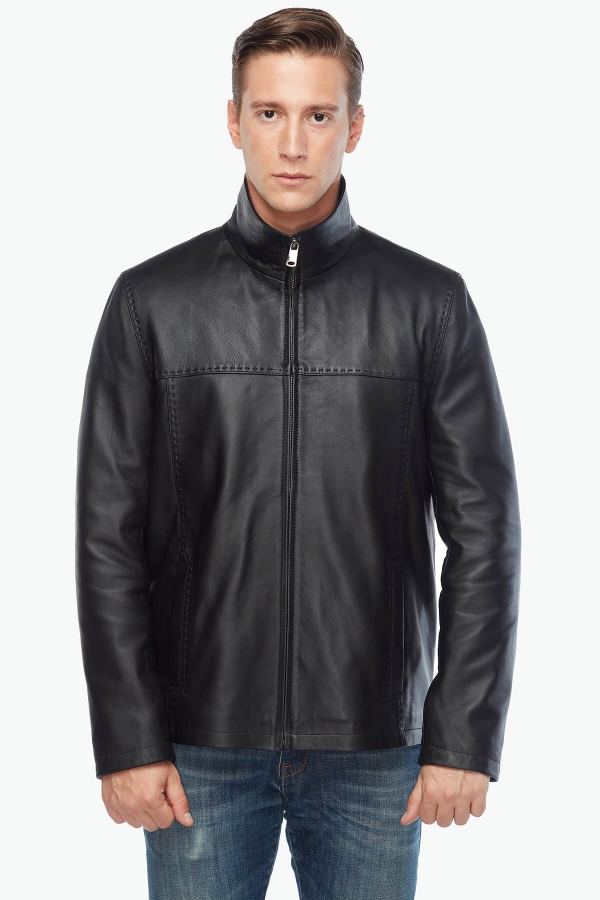
Leather jacket sizing should not be based only on S, M or L labels. The same nominal size can have different actual measurements across different models.
Shoulders, chest, waist, sleeve length and garment length should be considered together. When the jacket is closed, it should not create excessive tension across the chest or waist, and normal arm movement should not excessively restrict the shoulders or back.
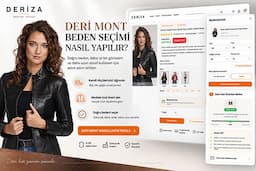
Deriza size charts are created using physical measurements taken from the specific product. The Find My Size feature also compares user information and preferred fit with the actual garment measurements to assist with size selection.
This recommendation is intended as guidance and should not be treated as a guarantee of exact fit, as body proportions and personal fit preferences vary.
For more information, see the sizing approach in our How to Choose the Right Leather Jacket Size guide.
9. Choose According to Intended Use and Season
The answer to how to choose a quality leather jacket depends partly on where and how the jacket will be worn.
- Everyday city use: Freedom of movement, weight and versatility may be priorities.
- Smart use: Cleaner surfaces, balanced proportions and restrained hardware may be preferable.
- Transitional seasons: Models with lighter internal construction may be appropriate.
- Colder weather: Lining, insulation where present, garment length, collar and closure become more important. For these conditions, Leather Jacket options designed for colder weather can also be considered.
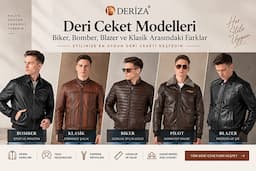
Because model terminology can vary between brands, do not rely only on names such as “biker”, “bomber”, “pilot” or “classic”. Check the actual cut, length, collar and fit as well.
10. Learn the Care Requirements Before Buying
Genuine leather is a natural material and its care requirements can vary according to leather type and finishing. It is therefore not appropriate to use the same cleaning or conditioning product on every leather jacket.
As a general rule, avoid direct high heat, do not leave the garment wet for prolonged periods and test any care product on a small, inconspicuous area first.
For detailed care information, see our How to Care for Genuine Leather guide.
What Should You Check When Buying a Leather Jacket Online?
When buying a leather jacket online, it is not enough to look only at the main product image and size selector. The product page should provide enough information to support an informed buying decision.
- Material: Is the leather clearly identified?
- Leather type: Is information provided about lamb, cowhide or another leather?
- Fit: Is the garment described as slim, regular, oversized or another fit?
- Actual garment measurements: Are physical measurements provided for the relevant model and size?
- Lining: Is the interior construction clearly explained?
- Zippers and details: Can they be examined in close-up product images?
- Garment and sleeve length: Can you evaluate the actual proportions?
- Intended use: Does the model suit the season and styling needs you have in mind?
Is There a Difference Between Choosing Men's and Women's Leather Jackets?
The core quality criteria are the same for men's and women's leather jackets: leather, finishing, workmanship, lining, hardware, fit and intended use should all be evaluated together.
However, pattern proportions and design details can differ. For this reason, it is better to check the actual measurements and fit information of the specific garment rather than relying only on the size label.
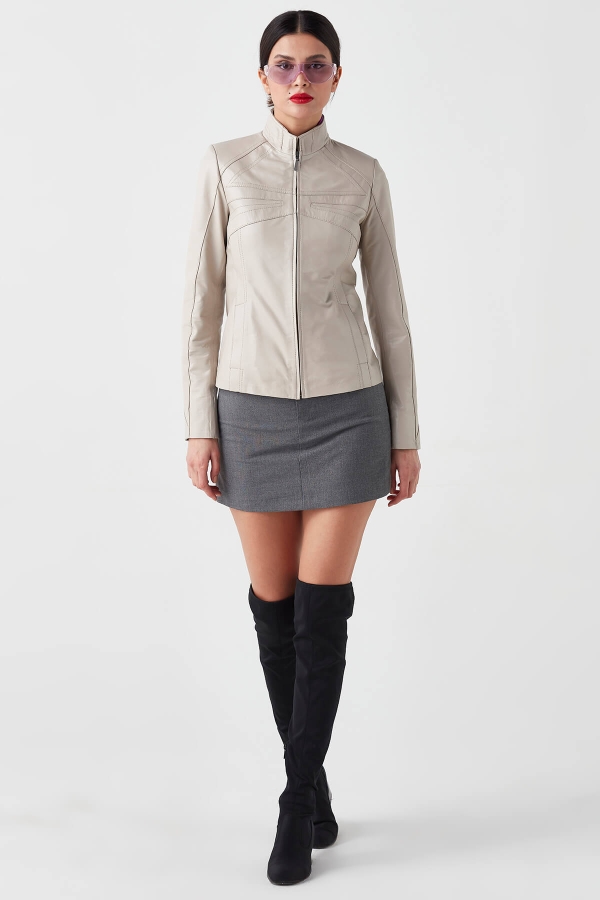
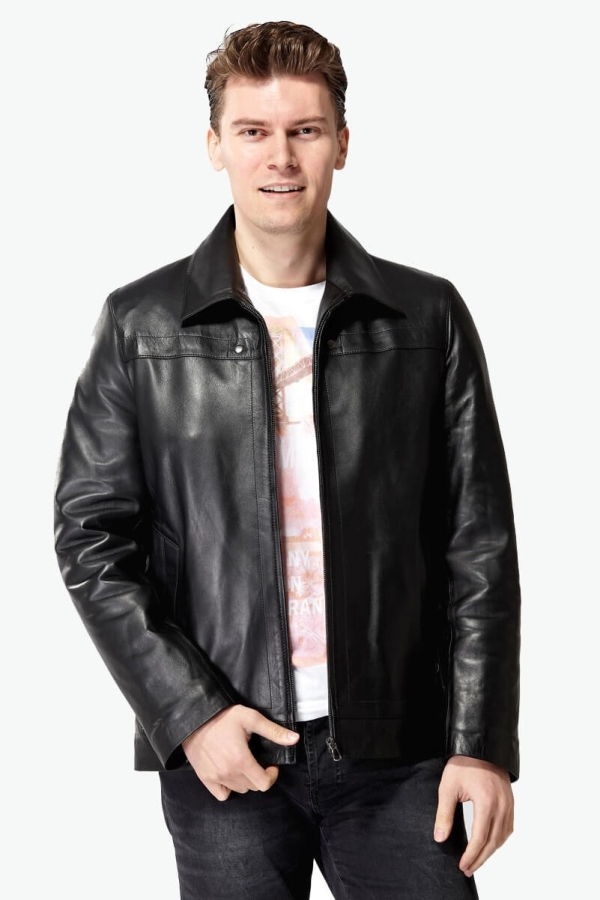
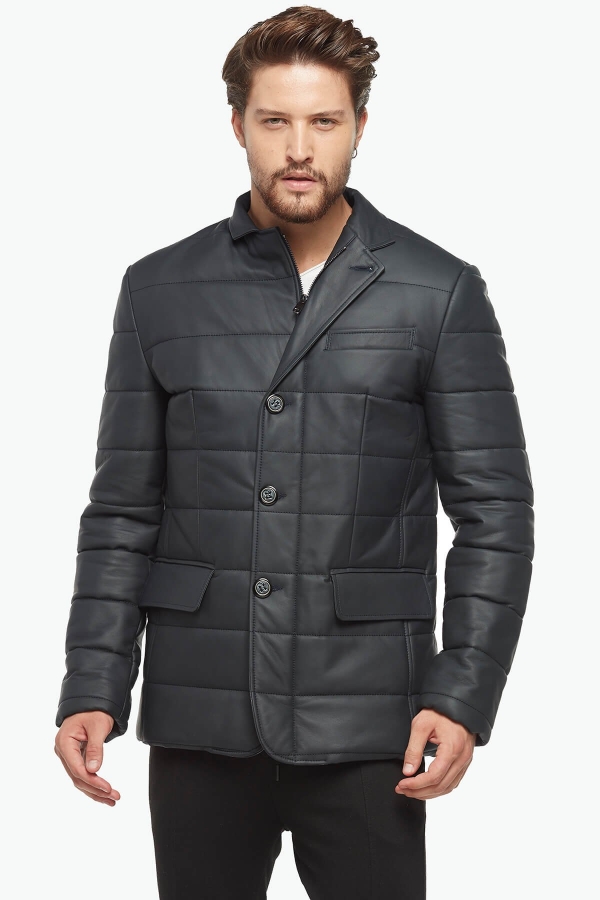
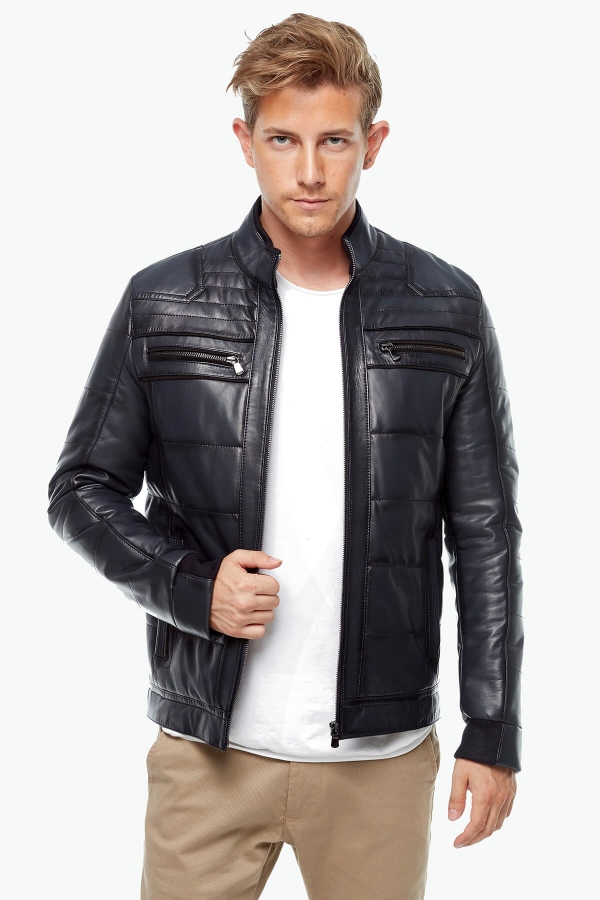
For men's styles, explore Men's Leather Jackets; for women's styles, see Women's Leather Jackets.
How Can You Recognise a Quality Leather Jacket?
A quality leather jacket cannot be identified by one sign alone. The garment should be evaluated as a whole.
- Is the leather type suitable for the intended use?
- Is the surface and finishing appropriate for the product?
- Is the leather thickness compatible with the design?
- Is the hand feel and flexibility appropriate for the model?
- Are stitching and panel joins neat?
- Is the lining properly fitted?
- Do the zippers and hardware function smoothly?
- Do the actual garment measurements suit you?
- Is the jacket appropriate for its intended season and use?
Quick Leather Jacket Buying Checklist
Before buying a leather jacket, do not focus only on price, softness or first appearance. Start with the leather type and whether it suits the design, then evaluate fit, actual garment measurements, workmanship, lining and hardware.
The right leather + the right fit + appropriate workmanship + design suited to the intended use should be considered together when choosing a good leather jacket.
Frequently Asked Questions
What is the most important factor when buying a leather jacket?
There is no single factor. Leather type, finishing, fit, actual garment measurements, workmanship, lining, zippers and intended use should be evaluated together.
Is lamb leather better than cowhide?
Neither is universally better. Lamb leather can generally offer a relatively lightweight, soft and supple character, while cowhide can be firmer and more structured depending on how it is processed. The right choice depends on the garment design and intended use.
How can you recognise a quality leather jacket?
In addition to the leather type and finishing, evaluate stitching, lining, zippers, hardware, fit and overall garment construction. The words “genuine leather” alone do not prove quality.
How should you choose a leather jacket size?
Do not rely only on the size label. Consider shoulders, chest, waist, sleeves and actual garment measurements. The closed jacket should not create excessive tension or restrict normal movement.
Should you buy a leather jacket one size smaller?
No. The fact that leather may adapt slightly through use does not mean that you should deliberately choose a smaller size. The garment's fit and actual measurements should guide the decision.
Can you wear a leather jacket in the rain?
Leather's behaviour with water depends on the leather type and finish. Genuine leather should not automatically be considered waterproof. Avoid prolonged or heavy water exposure, and do not dry a wet leather jacket using direct high heat.
Conclusion: Evaluate a Leather Jacket as a Complete Garment
A good leather jacket is not simply one that looks stylish, feels very soft or carries a “genuine leather” label. Leather type, thickness, finishing, fit, actual garment measurements, stitching, lining, zippers and intended use should all be evaluated together.
The best choice is a jacket where the material suits the design, the fit suits the wearer, and the overall product suits its intended use.
To compare different styles, explore Men's Leather Jackets and Women's Leather Jackets.